Feeling thirsty and drinking plenty of water, yet barely feeling the urge to visit the bathroom? This common but often overlooked symptom is a significant warning signal from your body that demands immediate attention, not neglect. Medical experts emphasise that if you are consuming adequate fluids but your urine output is scanty, it indicates your body is either retaining water, isn't actually getting enough, or something is obstructing the passage of urine. Each of these scenarios points to underlying health issues that require a doctor's evaluation.
Understanding Oliguria: What Constitutes Low Urine Output?
In medical terminology, abnormally low urine production is known as oliguria. For a healthy adult, normal kidney function typically results in an output of more than 400–500 millilitres (less than 2 cups) of urine over a 24-hour period. When you drink sufficient fluids but produce significantly less than this amount, and your urine appears dark in colour, it raises suspicion about your kidneys, circulatory system, or a potential blockage in your urinary tract. Producing very little or no urine at all is a medical emergency that necessitates immediate intervention to prevent serious complications.
Key Reasons Behind Low Urine Production
1. Dehydration and Fluid Imbalance
Your body can be dehydrated even if you think you're drinking enough. During conditions that cause fluid loss—such as excessive sweating, fever, vomiting, or diarrhoea—your kidneys smartly conserve water by reducing urine production. This leads to darker, concentrated urine and lower output. A simple indicator is urine colour: it should ideally be a pale straw colour. If it turns dark yellow or amber, your body is signalling a need for more fluids and electrolytes.

2. Underlying Kidney Problems
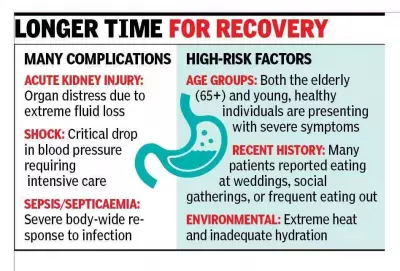
The kidneys act as the body's filtration system, removing waste and excess water to form urine. Damage to these vital organs or insufficient blood flow to them can drastically reduce urine production. Causes include acute kidney injury, uncontrolled high blood pressure, diabetes, severe infections, significant blood loss, heart failure, and certain medications that impair kidney function. Importantly, merely drinking more water will not resolve the underlying condition and may instead lead to increased swelling and breathing difficulties.
3. Urinary Tract Blockages (Post-Renal Obstruction)
Sometimes, the kidneys produce urine, but it cannot exit the body due to an obstruction—a condition termed post-renal. Common culprits are kidney stones, an enlarged prostate, blood clots, severe constipation, or tumours in the bladder or pelvic region. Symptoms often include a persistent urge to urinate with only small amounts released, lower abdominal or back pain, a burning sensation during urination, and blood in the urine. Prolonged blockages can cause permanent kidney damage, making timely diagnosis crucial.
When Should You Seek Medical Help?
Consult a doctor if your urine output remains low despite a daily fluid intake of 1.5 to 2 litres (unless advised otherwise by your physician). However, head to an emergency centre immediately if minimal urine output is accompanied by:
- Chest pain or severe shortness of breath
- Intense pain in the flanks or abdomen
- Confusion or disorientation
- Noticeable swelling around the eyes or legs
Doctors will typically check your vital signs, examine your abdomen and bladder, and order tests like kidney function panels, electrolyte levels, urinalysis, and possibly an ultrasound to identify any blockages. Early diagnosis is key to preventing long-term kidney damage.
Immediate Do's and Don'ts
If you experience reduced urination, do not simply drink more water, as it may not help and could worsen certain conditions. Instead, take these steps:

- Track your exact fluid intake and urination frequency.
- Monitor the colour of your urine.
- Document all symptoms to present to your doctor clearly.
For individuals with known kidney issues, extra precautions are vital: avoid excessive painkillers (NSAIDs), monitor blood pressure and sugar levels regularly, and schedule periodic kidney function tests as advised by your healthcare provider.
Disclaimer: This article is for informational purposes only and is not a substitute for professional medical advice, diagnosis, or treatment.