
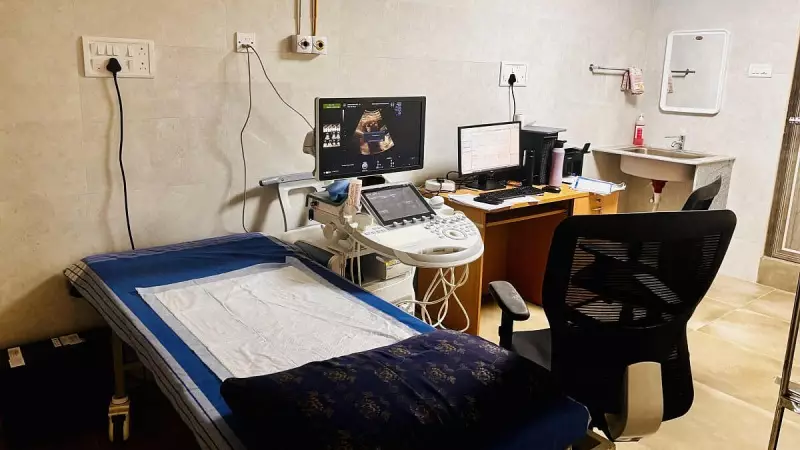
In a significant development for public healthcare in Karnataka, the Indira Gandhi Institute of Child Health (IGICH) in Bengaluru has emerged as the state's only government-run facility equipped to perform advanced diagnostic procedures for detecting fetal defects. This unique status highlights a critical gap in the public health infrastructure while positioning IGICH as a vital resource for expecting families across the state.
A Lifeline for Prenatal Diagnosis in the Public Sector
The institute's Department of Fetal Medicine offers a comprehensive suite of diagnostic services that are otherwise predominantly available in the private sector, often at prohibitive costs. The key procedures available include Level II ultrasound scans, fetal echocardiography, and invasive tests like amniocentesis and chorionic villus sampling (CVS). These tests are crucial for identifying a range of congenital anomalies, including complex heart defects, chromosomal disorders like Down syndrome, and structural abnormalities in the developing fetus.
Dr. Sanjay B. S., the head of the Department of Fetal Medicine at IGICH, emphasized the institute's pivotal role. He explained that while basic ultrasound services are available in many district hospitals, the advanced expertise and technology required for detailed anomaly scans and invasive diagnostics are concentrated at their centre. This makes IGICH the final referral point for complicated cases from all government hospitals and lower-tier facilities throughout Karnataka.
Bridging the Accessibility Gap in Healthcare
The exclusivity of IGICH's services underlines a stark disparity in access to advanced prenatal care. For countless families relying on the public health system, this facility in Bengaluru represents the only affordable option for these life-altering diagnoses. The process typically begins with a referral from a gynecologist or a pediatrician at a government hospital after a basic scan raises concerns. Patients are then directed to IGICH for a detailed evaluation.
The implications of early and accurate detection are profound. It allows healthcare providers to plan for specialized care immediately after birth, whether that involves preparing for a complex delivery in a hospital with a neonatal intensive care unit (NICU) or counseling parents about the condition and potential management pathways. In some cases, certain conditions can even be treated while the baby is still in the womb, though such interventions are highly specialized.
The Road Ahead and Current Challenges
Despite its critical function, the sole reliance on IGICH creates logistical and emotional challenges for patients from distant districts, who must travel to Bengaluru, often at significant personal expense and hardship. This centralization points to a pressing need for capacity building in other government medical colleges and major hospitals across Karnataka to decentralize these essential services.
The team at IGICH's fetal medicine department handles a substantial caseload, striving to provide timely diagnoses. The institute stands as a testament to the capabilities within the public health system, yet also serves as a reminder of the infrastructure and specialist training gaps that need to be addressed. Expanding such facilities is not just about medical equipment; it requires sustained investment in training sonographers and fetal medicine specialists to ensure quality and accuracy.
For now, the Indira Gandhi Institute of Child Health remains a beacon of hope and a crucial pillar of support, ensuring that advanced fetal diagnosis is not the exclusive privilege of those who can afford private healthcare, but a service accessible to all citizens of Karnataka through the government's network.