

Medical experts in Hyderabad have issued a crucial health advisory, warning residents with pre-existing conditions to avoid the outdoors during the early morning hours of winter. The period between 4 am and 7 am, when temperatures plunge to their lowest, has been identified as particularly hazardous.
Respiratory Systems Under Siege in Cold Air
Dr. Kishan Srikanth Juvva, a consultant in clinical and interventional pulmonology at Yashoda Hospitals, explained the direct impact of cold, dry air. He stated that this air irritates and inflames the airways, leading to distressing symptoms like persistent coughing, wheezing, and acute breathlessness. Individuals suffering from asthma, chronic bronchitis, and other chronic respiratory illnesses are especially prone to dangerous flare-ups during this season.
The risk is compounded by the seasonal surge in viral infections, including influenza and the common cold. For people with already compromised lung function or weakened immunity, these common viruses can rapidly escalate into serious complications. "Those with underlying chest and lung diseases are particularly vulnerable during this season. Elderly patients often land up in emergency care and may require hospitalisation," Dr. Juvva emphasized. He added that recognising symptoms early and seeking prompt medical help can prevent life-threatening situations.

Heart and Circulatory System Also at Risk
The dangers of the winter chill are not confined to the lungs alone. Dr. N Ramana Rao, a prominent general physician and private practitioner, highlighted the strain on the cardiovascular system. He detailed how the body's natural response to cold—constricting blood vessels to conserve heat—leads to a rise in blood pressure. This forces the heart to work much harder, placing significant additional strain on it.
"People with underlying health conditions should avoid stepping out early in the morning," Dr. Rao advised firmly. He also pointed out that travelling during the winter holidays is another common mistake that can expose vulnerable patients to harsh conditions and health setbacks.
Essential Precautions for High-Risk Groups
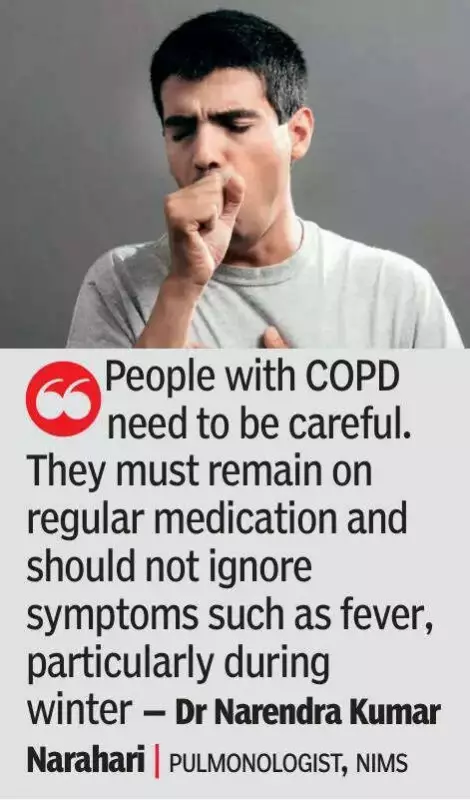
Echoing the concerns, Dr. Narendra Kumar Narahari, a pulmonologist from Nizam's Institute of Medical Sciences, singled out patients with Chronic Obstructive Pulmonary Disease (COPD) for special caution. He urged them to be meticulous about their prescribed medication regimen and to never ignore warning signs like the onset of fever during the winter months.
The consensus among Hyderabad's medical community is clear: proactive prevention is key. For those with chronic respiratory or heart conditions, postponing outdoor activities until after sunrise when the air is relatively warmer can be a simple yet critical step. Staying updated with vaccinations, wearing appropriate protective clothing like scarves over the nose and mouth, and ensuring strict adherence to regular medication are non-negotiable measures to navigate the winter safely.






