

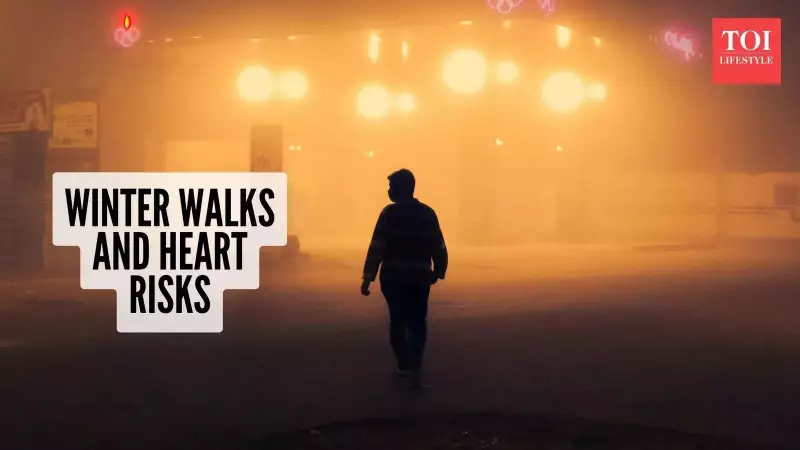
A peaceful early morning walk in the crisp winter air is a cherished routine for many, symbolising health and tranquillity. However, a leading cardiologist from Delhi has issued a crucial warning, stating that this habit could pose a significant threat to heart health for some individuals, potentially increasing the risk of heart attacks and strokes.
Why Cold Mornings Put Extra Strain on Your Heart
The caution comes from Dr. Tapan Ghose, Senior Director and Head of Cardiology at Fortis Hospital, Vasant Kunj, Delhi. He explains that the winter cold does more than just chill the skin. When temperatures drop, the body's blood vessels constrict or tighten up in a process called vasoconstriction. This narrowing leads to a rise in blood pressure, forcing the heart to pump blood with much greater force.
This strain is compounded in the early hours, which are typically the coldest part of the day. At the same time, the human body's core temperature is also at its natural lowest. This dual drop—in both ambient and body temperature—places considerable added stress on the cardiovascular system, even during a seemingly gentle activity like walking.

The Hidden Dangers: Sudden Shock and Pollution
Dr. Ghose highlights another often-overlooked hazard: the abrupt transition from a warm indoor environment to the cold outdoors. Stepping out of a cosy home directly into chilly air can trigger sudden, sharp changes in heart rate and blood pressure. The body is given little to no time to acclimatise, and this shock, combined with physical exertion, can overload the heart.
This rapid shift can act as a trigger, particularly for people with existing conditions like heart disease, uncontrolled hypertension, or a history of stroke. Furthermore, winter mornings often see higher levels of air pollution, as smog, vehicle emissions, and dust particles remain trapped closer to the ground. Oxygen levels are also relatively lower at this time. The heart must then work even harder to supply adequate oxygen to the body, silently amplifying cardiovascular stress.
Recognising Warning Signs and Safer Alternatives
While healthy individuals may adapt, it is vital for everyone to heed the body's warning signals. Dr. Ghose emphasises that certain symptoms should prompt an immediate stop to exercise and warrant medical consultation:
- Chest discomfort or pain
- Unusual or severe shortness of breath
- Dizziness or feeling lightheaded
- Palpitations or an irregular heartbeat
These are not signs to ignore or push through. The good news is that cold weather itself is not the enemy; timing and preparation are key. Dr. Ghose advises several safer practices for maintaining a walking routine in winter:
Warm up indoors before heading out to prepare your muscles and cardiovascular system. Dress in layers to effectively retain body heat. Most importantly, consider shifting your walk to mid-morning when temperatures are higher, pollution levels often decrease, and the body is more alert and prepared for activity. This simple adjustment can help protect your heart while allowing you to continue enjoying the benefits of your daily walk.
Disclaimer: This information is based on medical insights shared with the media and is intended for general awareness. It is not a substitute for professional medical advice. Always consult your doctor for guidance on heart health and exercise routines.






