

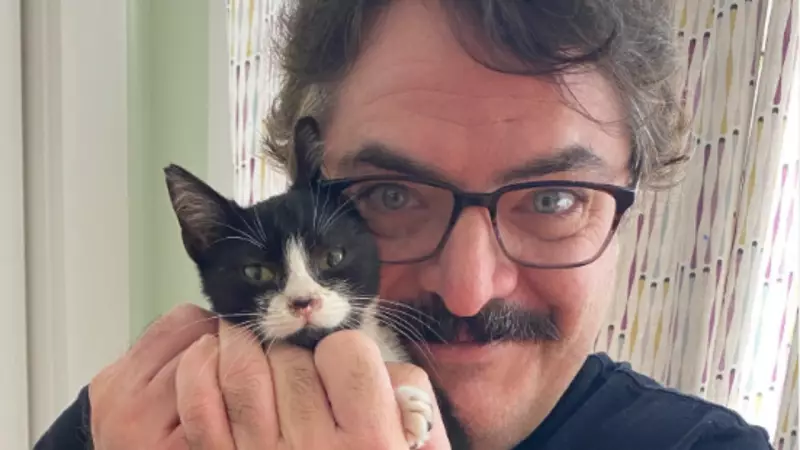
Fans of the long-running medical drama Grey's Anatomy will fondly remember Joe the bartender, the steady, listening ear for the show's chaotic surgeons. The actor behind that beloved character, Steven W. Bailey, has now shared a powerful personal health battle that he has been fighting quietly for years.
Breaking the Silence on a Hidden Battle
On January 3, 2026, Bailey chose to end years of silence with a candid post on the social media platform X. The 54-year-old actor revealed he has been diagnosed with congenital myasthenia syndrome (CMS), a rare genetic neuromuscular disorder. He admitted to hiding his condition for over five years due to career concerns, diagnostic uncertainty, and a private nature, but declared firmly that "that time is over."
CMS is caused by mutations in genes that affect the crucial junctions where nerves communicate with muscles. This disruption means signals from the brain struggle to tell muscles to contract properly. For Bailey, this results in a profound and building fatigue with repetition, turning routine daily activities into strategic challenges.

Adapting to Life with a Rare Condition
Living with CMS requires constant awareness of the body's limits. Bailey describes how his arms tire after just a few lifts, his legs become unsteady on walks, and his speech can slur after prolonged talking. He identifies as an "ambulatory wheelchair user," using his chair for longer distances but standing for brief tasks like walking his dog or quick grocery trips.
He maintains his characteristic humour, joking about the occasional perks like easily reaching cereal on high shelves from his seated position. However, the reality includes struggles with swallowing, breathing, and even blinking as muscles wear down. While there is no cure, medications like pyridostigmine help by boosting nerve signals and providing some relief from symptoms.
A New Path for a Seasoned Actor
Steven W. Bailey's career, spanning appearances in shows like Modern Family, Scandal, and NCIS, has often involved portraying resilient figures. Now, his own resilience is steering his professional path in a new direction. He acknowledges that roles requiring long periods of standing are now difficult, and he is actively advocating for more authentic, wheelchair-inclusive storytelling in Hollywood.
"Done hiding, wheels firm beneath me, ready for more," he posted, aligning his personal journey with the industry's broader push for diversity and representation. The outpouring of support in response to his revelation, from fellow rare disease patients to devoted fans, highlights the strength found in openness.
Bailey's story sheds crucial light on the often-overlooked challenges of living with a rare condition like CMS, which affects roughly 1 in 2,000 people for some types and is frequently misdiagnosed for years. His determination to adapt, advocate, and continue his work with spirit mirrors the steady presence he brought to screens for 11 seasons, inspiring many to see the abilities that persist beyond any diagnosis.






