

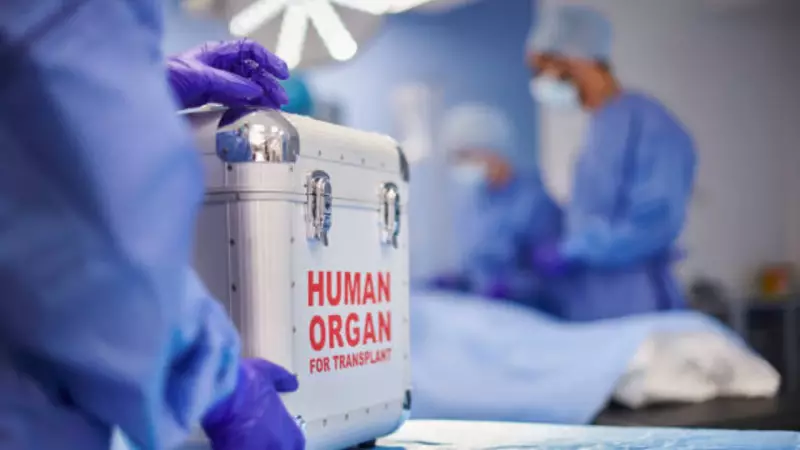
In a remarkable display of medical coordination and human generosity, a 38-year-old woman's tragic passing became a beacon of hope for a critically ill patient in Mumbai. A carefully orchestrated green corridor enabled her donated heart to travel from Mahaveer Jain Hospital in Thane to Dr. L H Hiranandani Hospital in Powai in a mere 17 minutes, facilitating a life-saving transplant.
A Courageous Decision in the Face of Loss
The donor, a 38-year-old woman, was declared brain-dead after suffering a hypertensive cranial bleed. Following the confirmation by a board of medical experts, her family made the brave and selfless choice to donate her organs. This decision transformed a profound personal tragedy into a lifeline for others awaiting transplants, as acknowledged by Dr. L H Hiranandani Hospital.
The Race Against Time: A 17-Minute Lifeline
Immediately after the family's consent, a specialised transplant retrieval team sprang into action. The success of the operation hinged on the swift transport of the heart. Through seamless coordination between the hospital teams and the Mumbai Traffic Police, a green corridor was created, ensuring an uninterrupted route for the ambulance.

The donor heart departed from Mahaveer Jain Hospital at 5:00 PM and, thanks to the cleared traffic path, arrived at Dr. L H Hiranandani Hospital at 5:17 PM. This 17-minute journey was crucial for preserving the organ's viability for transplantation.
Addressing India's Organ Donation Crisis
As per the norms of the Zonal Transplant Coordination Committee (ZTCC), the heart was allocated to a 60-year-old male patient suffering from end-stage heart failure. The transplant surgery commenced promptly upon the organ's arrival.
Commenting on the event, Dr. Sameer Kulkarni, CEO of Dr. L H Hiranandani Hospital, highlighted the stark reality of organ donation in India. He stated that while over 18,000 transplants were performed in 2024—a national record—the demand continues to vastly outstrip supply. With more than 80,000 patients on waiting lists, India's organ donation rate remains below one donor per million population.
Dr. Kulkarni emphasized the profound impact of donation: "Organ donation gives people a second chance at life—sometimes even a first real one. For someone waiting for a heart, kidney, liver, or lungs, a transplant isn't optional; it's the only way to survive. One donor can save up to eight lives."
This incident serves as a powerful reminder of the life-saving potential of organ donation and the critical importance of infrastructure like green corridors in turning compassionate decisions into successful medical outcomes.






