

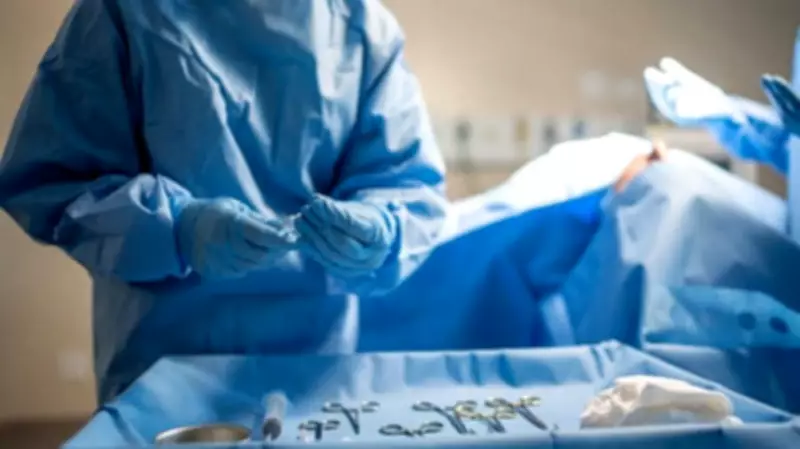
Alappuzha Medical College Investigates Surgical Lapse After Forceps Found in Patient
Alappuzha Medical College in Kerala has officially acknowledged a potential surgical lapse following the discovery of artery forceps inside a woman's abdomen after a major operation. The incident, which has raised serious concerns about patient safety and procedural protocols, occurred during a complex surgery where doctors successfully removed a tumor weighing over three kilograms.
Details of the Surgical Procedure and Discovery
The medical team conducted an extensive procedure to extract a massive tumor from the patient's abdominal cavity. Despite the successful removal of the growth, post-operative examinations revealed the presence of a surgical instrument—specifically artery forceps—that had been inadvertently left behind. Hospital authorities confirmed this finding, prompting an immediate internal review to determine the circumstances surrounding the oversight.
Doctors involved in the case have explicitly ruled out the possibility that the forceps originated from any previous surgical intervention. This clarification is crucial, as it indicates that the instrument was introduced during the recent tumor removal surgery, thereby pointing directly to an error in the current operative process. The medical college has assured that the patient is under close observation and receiving necessary care to address any complications arising from this incident.

Institutional Response and Broader Implications
In response to the discovery, Alappuzha Medical College has initiated a thorough investigation to identify the root causes of this surgical lapse. Such incidents highlight critical issues in operating room protocols, including instrument counting procedures and team communication, which are essential to prevent retained surgical items. The college has stated its commitment to implementing corrective measures to enhance safety standards and prevent recurrence.
This case underscores ongoing challenges in healthcare systems, particularly in high-stakes surgical environments. Retained surgical instruments, though rare, can lead to severe health risks such as infections, internal injuries, or additional surgeries for removal. The incident in Kerala serves as a stark reminder of the importance of stringent adherence to surgical checklists and post-operative verification processes.
As the investigation progresses, stakeholders are calling for transparency and accountability to restore public trust. The medical community emphasizes that while human error can occur, robust systems must be in place to mitigate risks and ensure patient welfare. This event may prompt broader discussions on medical negligence and the need for continuous improvement in surgical practices across India.






