

Homi Bhabha Cancer Hospital Achieves Medical Milestone with Rare Pediatric Transplant
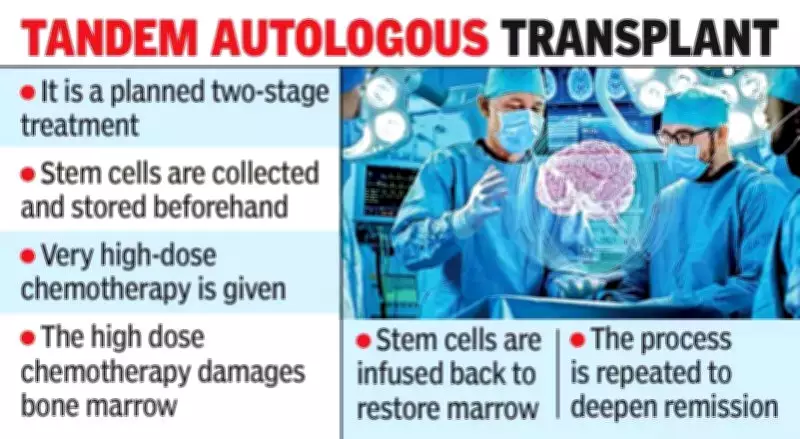
In a significant medical advancement, the Homi Bhabha Cancer Hospital and Research Centre (HBCHRC) in Visakhapatnam has successfully conducted a rare tandem autologous stem cell transplant on a three-year-old girl diagnosed with Embryonal Tumour with Multi-layered Rosettes (ETMR), an exceptionally aggressive brain tumor. This achievement marks what is likely the first documented case of a double transplant for ETMR in India, representing a breakthrough in pediatric oncology.
A Rare and Aggressive Pediatric Condition
ETMR stands as one of the rarest and most aggressive brain tumors affecting very young children. Characterized by rapid growth, this malignancy has historically demonstrated poor survival rates despite conventional treatments like surgery and chemotherapy. Recent advances in precise brain surgery techniques, high-dose chemotherapy protocols, and stem cell rescue methods are now beginning to offer improved prognosis for affected children.
The Complex Treatment Journey
The young patient initially underwent surgery and intensive chemotherapy at the Tata Memorial Centre in Mumbai before being referred to HBCHRC in Visakhapatnam for the advanced transplant procedure. Between December 2025 and January 2026, she received additional chemotherapy followed by the double autologous stem cell transplant. Remarkably, she was discharged on February 21 without experiencing major transplant-related side effects, indicating a successful recovery.

Medical Rationale Behind the Procedure
Dr. Umesh Mahantshetty, Director of HBCHRC, explained the clinical decision, noting that ETMR's extreme aggressiveness and the poor long-term results of conventional treatments necessitated this innovative approach. "When aggressive chemotherapy is combined with a tandem autologous transplant, survival outcomes can improve significantly, with studies suggesting around 50–60 per cent five-year survival rates in selected cases," Dr. Mahantshetty stated.
He emphasized that the success of such a complex procedure depends on a highly coordinated multidisciplinary team, including:
- Paediatric oncologists
- Haematopathologists
- Transfusion medicine specialists
- Trained oncology nurses
- Dedicated transplant staff
Institutional Capability and Regional Impact
Dr. Mahantshetty highlighted that this milestone represents a significant accomplishment for HBCHRC, Visakhapatnam, and underscores its capability to deliver advanced cancer treatment across Andhra Pradesh and neighboring regions. The center's impact is substantial, with more than 9,000 newly registered cancer patients benefiting from comprehensive services in 2025 alone, including 30 bone marrow transplants.
HBCHRC operates as a unit of the Tata Memorial Centre, Mumbai, functioning under the Department of Atomic Energy, bringing specialized expertise to cancer care in southern India. This successful procedure demonstrates how specialized medical centers can push the boundaries of pediatric oncology, offering hope for children with rare and aggressive cancers.






