

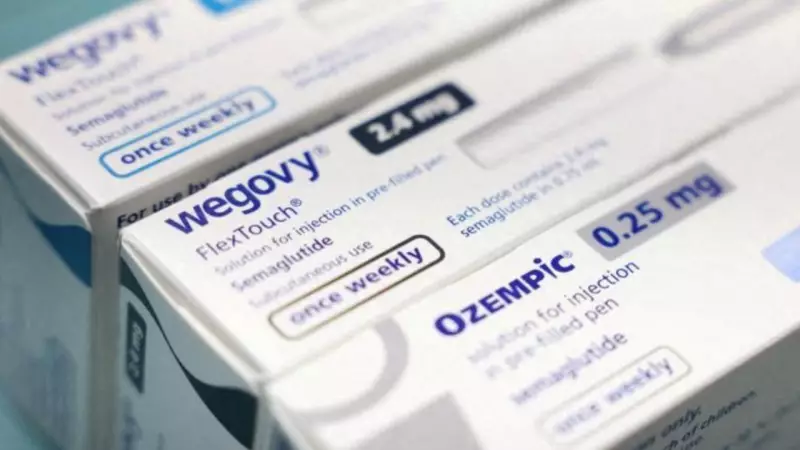
In a significant development for obesity treatment, the US Food and Drug Administration (FDA) has given its approval to a daily pill version of Novo Nordisk's popular weight-loss medication, Wegovy. This move provides millions of patients with a convenient oral alternative to the weekly injectable drugs that have revolutionised the fight against obesity.
From Injection to Pill: A New Era for GLP-1 Drugs
The newly approved medication, branded as the Wegovy pill, contains the same active ingredient, semaglutide, used in the injectable Wegovy and the diabetes drug Ozempic. These medicines are part of the GLP-1 class, which works by mimicking a hormone that helps regulate appetite and food intake. Until now, leading treatments like Wegovy, Eli Lilly's Zepbound, and Mounjaro were primarily administered as weekly injections.
Novo Nordisk has confirmed that the oral version demonstrated similar weight loss results and side-effect profiles to its injectable counterpart in clinical trials. The company plans to make the pill available by prescription in the United States starting January 2025.

Dr Jason Brett, principal US medical head for Novo Nordisk, highlighted the importance of choice for patients. He stated that the oral option will expand access, acknowledging that a segment of the population is hesitant to use injectable medications.
Pricing, Performance, and Practical Details
For patients paying out of pocket, the starting dose of the Wegovy pill will cost $149, as per an agreement announced in November. The price is expected to increase with higher dosages, though the company has not yet disclosed those figures. Patients with insurance coverage are likely to pay lower copays.
The demand for such treatments is substantial. Data from the health policy research group KFF indicates that approximately one in eight American adults is currently using a GLP-1 drug.
In terms of efficacy, clinical studies for the Wegovy pill showed participants achieved an average weight loss of 14% over 64 weeks. This is a stark contrast to the 2% weight loss observed in the placebo group. For comparison, the injectable Wegovy showed about 15% weight loss in its key trial, while Eli Lilly's Zepbound reported up to 21% at its highest dose.
However, taking the pill comes with specific instructions: it must be consumed on an empty stomach with water, and patients must avoid food, drink, or other medicines for at least 30 minutes afterward. Doctors note that this requirement has previously limited the wider adoption of oral semaglutide for diabetes.
Market Competition and Medical Perspectives
The Wegovy pill is one of two oral GLP-1 drugs poised to enter the market soon. Rival Eli Lilly's orforglipron, which has the advantage of being taken without food or water restrictions, is anticipated to receive FDA clearance by the summer of 2025.
While the new option is welcomed, medical experts urge a measured approach. Dr Judith Korner, an endocrinologist at Columbia University, said that prescribing decisions will continue to be guided by cost, safety, and effectiveness. She remarked to CNN that the Wegovy pill does not appear to be a major breakthrough in these specific areas compared to existing treatments.
Dr Korner also emphasised that the broader health benefits associated with GLP-1 drugs remain a critical area of interest. These benefits extend beyond weight loss and include reduced cardiovascular risk, improved liver function, and better outcomes for conditions like sleep apnea.
As with the injectable versions, the most common side effects of the oral pill are gastrointestinal issues, such as nausea and vomiting. In the Wegovy pill trial, about 7% of participants discontinued treatment due to side effects, compared to 6% in the placebo group.
The approval of the daily Wegovy pill marks a pivotal step in making advanced obesity treatments more accessible and acceptable to a broader patient population, setting the stage for increased competition and innovation in the pharmaceutical sector.






