Central Drugs Regulator Issues Alert on Unapproved Dry Eye Relief Drops
The Central Drugs Standard Control Organisation (CDSCO) has issued a critical warning regarding the sale of certain dry eye relief drops that have not received mandatory approval. In a formal communication to drug controllers across all states and union territories, the regulator highlighted that 'sodium hyaluronate eye drops 0.3%' is being manufactured and marketed without the necessary clearance from the central authority.
Unapproved Formulation Classified as "New Drug"
Officials from the CDSCO clarified that this specific formulation falls under the strict category of a "new drug." This classification mandates that the product must undergo rigorous evaluation and receive formal approval before it can be legally sold in the Indian market. Without this official sanction, the safety profile, sterility standards, and therapeutic effectiveness of these eye drops remain completely unverified and potentially hazardous.
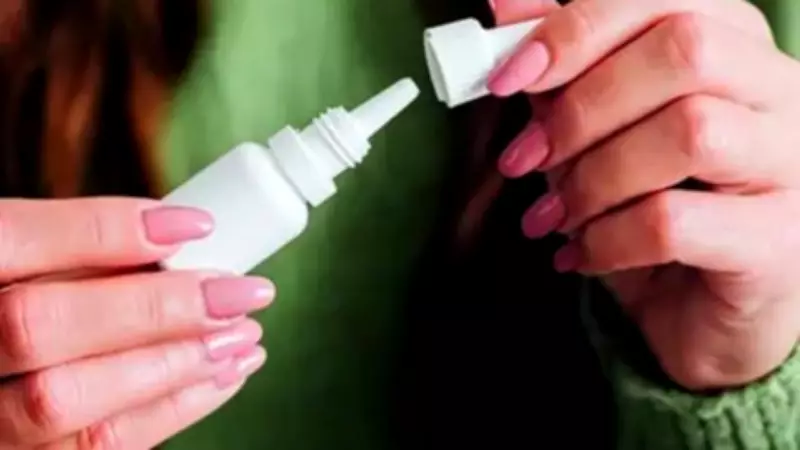
These eye drops are commonly promoted for treating symptoms of dry eyes and general ocular irritation. They function similarly to artificial tears, aiming to lubricate the eye surface, maintain moisture, and alleviate discomfort. However, the absence of regulatory approval raises significant red flags about their actual composition and manufacturing quality.

Experts Warn of Serious Health Risks
Medical specialists have strongly cautioned the public against using any unapproved ophthalmic products, even for seemingly routine conditions like dry eyes. The risks associated with such products are substantial and can lead to severe complications.
"Using unapproved eye drops for dry eyes is inherently risky," explained Dr. Namrata Sharma, Professor of Ophthalmology at the Dr. Rajendra Prasad Centre for Ophthalmic Sciences, AIIMS-Delhi. "They can paradoxically worsen irritation, exacerbate dryness, and significantly increase the susceptibility to infections such as conjunctivitis. The ocular surface in patients with dry eyes is already compromised. Introducing untested, unverified products can cause far more harm than any perceived benefit. It is also crucial to note that even approved eye drops should be discarded within one month of opening the vial to prevent bacterial contamination."
Echoing these concerns, Dr. Ashu Agarwal, an ophthalmologist at Apollo Hospital in Delhi, emphasized the fundamental safety issues. "Unapproved eye drops are unsafe because their quality, sterility, and formulation consistency are not assured. Substandard manufacturing processes can directly lead to serious infections, while improper formulation can render the treatment ineffective. Patients must strictly use only doctor-prescribed products from reputable and reliable pharmaceutical companies."
Regulatory Directive and Public Advisory
The CDSCO has instructed state-level drug authorities to immediately cancel any provisional or local permissions that may have been granted for these specific eye drops. Furthermore, the regulator has mandated taking stringent legal action against the manufacturers involved in the production and distribution of these unapproved products.
For the general public, the advisory from the national regulator is unequivocal:
- Use any medicated eye drops, including those for dry eyes, only under the explicit advice and prescription of a qualified medical doctor.
- Purchase all medicines, especially ophthalmic products, from licensed and trustworthy pharmacies or sources.
- Be vigilant and avoid self-medication with products that may seem like simple remedies, as they can carry hidden risks if not properly evaluated and cleared by regulatory bodies.
This crackdown underscores the ongoing efforts by India's drug regulatory framework to safeguard public health by ensuring that all pharmaceuticals in the market meet established standards of safety, quality, and efficacy.