

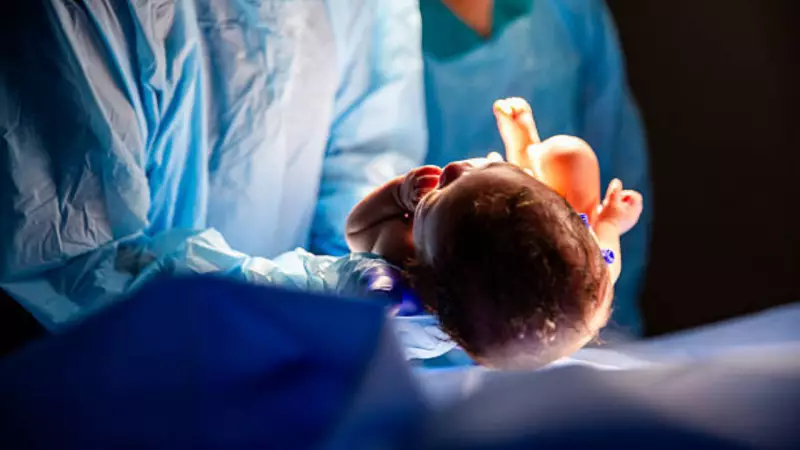
The arrival of a newborn with severe breathing difficulties is a profoundly frightening experience for parents. For years, a pervasive myth has suggested that serious respiratory conditions in infants are almost always fatal. However, leading pediatricians and neonatologists from major Indian hospitals are now emphatically debunking this outdated belief, pointing to revolutionary advances in neonatal care that are turning fear into hope.
From Near-Impossible to Treatable: The New Reality of Neonatal Care
The landscape of treating critically ill newborns has transformed dramatically. Conditions ranging from preterm birth with underdeveloped lungs to congenital issues like pulmonary hypoplasia, once considered dire, now have significantly improved outcomes. The severity, specific diagnosis, and speed of identification remain crucial, but hospitals are now equipped with specialized Neonatal Intensive Care Units (NICUs). These units offer life-saving tools like advanced ventilators, targeted oxygen therapy, and are staffed by expert teams dedicated to helping these fragile lungs grow stronger.
Doctors stress that treatments supporting breathing, managing infections, and addressing root causes have dramatically boosted survival rates. They emphasize that parents play a huge role in this journey. Staying informed, understanding treatment options, and actively participating in care discussions can make a substantial difference in the child's recovery path.

Real-Life Case Study: A Story of Resilience and Recovery
Dr. Deepika Tiwari, Senior Consultant in Pediatrics and Neonatology at KIMS Hospitals, highlights a recent case that shatters the old fatalistic narrative. A neonate, just ten days old, was referred to KIMS Hospitals in Thane in a critically ill state due to meconium aspiration syndrome. The baby was severely hypoxic, hypertensive, and septic, requiring immediate high-frequency ventilation support—a complex challenge even during transfer.
Contrary to the bleak expectations such cases once carried, the infant was stabilized swiftly upon arrival and received aggressive treatment in the NICU. "This case illustrates that the modern-day scenario is quite different," says Dr. Tiwari. "Advances in infant ventilation, infectious disease management, and pulmonary hypertension care are pivotal. Newborns are much tougher than we credit them for and possess a powerful potential for recovery if treated at the right moment with proper attention." She concludes that while conditions like Persistent Pulmonary Hypertension (PPH) are life-threatening emergencies, they are no longer a death sentence.
Busting Common Myths Around NICU and Ventilation
Dr. Sachin Sakharkar, In-charge of NICU and Consultant Pediatrics at KIMS Hospitals Thane, addresses another major source of parental anxiety: the fear surrounding prolonged ventilation. One common myth is that a baby needing extended mechanical breathing support is doomed to a poor outcome or future complications.
"The reality is that prolonged ventilation can be a deliberately planned, life-saving strategy, not a failure," explains Dr. Sakharkar. For newborns with severe lung disease, ventilation provides essential rest, allowing their lungs time to heal and mature under careful monitoring. Therapies like inhaled nitric oxide are used to reduce lung pressure and improve oxygenation. He also dispels the myth that these babies will struggle with breathing or feeding independently later in life, affirming that most catch up and reach normal developmental milestones.
Echoing this sentiment, Dr. Sulaiman Ladhani, Consultant Pulmonologist at Wockhardt Hospitals, Mumbai Central, states that the old model of thought, born from a lack of sophisticated respiratory care, is obsolete. "The reality is that most babies will recover if they receive specialized care in time," he asserts. He explains that while neonatal lungs are delicate, they are remarkably adaptable. Even serious conditions can see steady progress with correct ventilatory and oxygenation support. The use of a breathing machine, he clarifies, is often a sign of giving the lungs a chance to heal, not an indicator of inevitable failure.

All experts agree that the prognosis depends on multiple factors including the underlying cause, gestational age, and the health of other organs, underscoring the need for individualized care. The unanimous message from India's neonatal care frontline is clear: with early referral, access to advanced NICU facilities, expert medical intervention, and time, severe lung diseases in newborns are medical emergencies to be overcome, not terminal diagnoses.





