

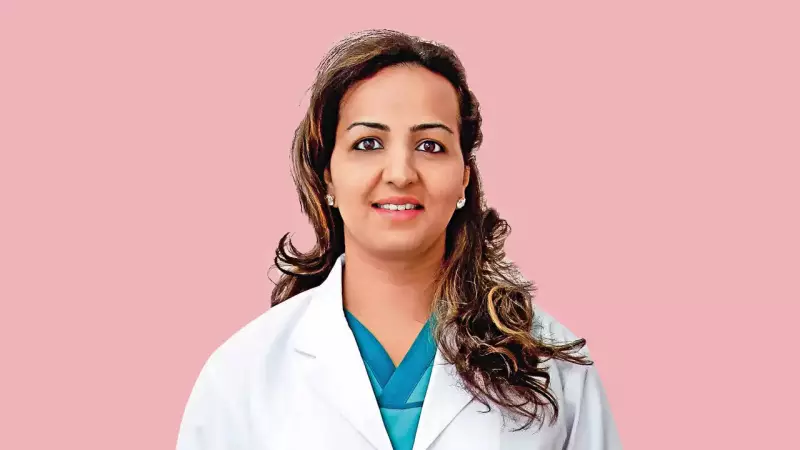
In a remarkable medical achievement, doctors in New Delhi successfully managed a high-risk pregnancy, saving one twin after premature labour began at just 19 weeks. The mother, a 34-year-old woman, had conceived twins through IVF after a long and challenging fertility journey.
A Critical Emergency and a Difficult Journey
The patient was rushed to Sunrise Hospital in New Delhi this January suffering from severe lower-abdominal pain. An ultrasound revealed a dire situation: her cervix was opening prematurely, a condition known as cervical incompetence. This threatened the pregnancy that had taken years to achieve. Her husband is a cancer survivor, and chemotherapy had impacted his sperm count. The couple had undergone Micro-TESE and ICSI procedures to conceive their twins.
By the time she reached the hospital, labour had already begun. In most similar cases, doctors attempt a vaginal stitch, but this often fails if dilation has progressed. The key to halting early labour is stitching the internal os—the inner opening of the cervix. This can only be accessed via laparoscopy or open surgery.

The High-Stakes Surgical Decision
Dr. Nikita Trehan, a Gynaec-Laparoscopic Surgeon at Sunrise Hospital, led the team that decided on a laparoscopic cerclage. Under anesthesia, a heartbreaking development occurred: the first twin was delivered prematurely with no signs of life. Furthermore, the placenta did not separate. Removing it would have certainly triggered full labour and endangered the surviving twin.
Faced with this complex scenario, the medical team made a critical decision. They tied the umbilical cord of the deceased twin, left the placenta inside, and proceeded with the cerclage to save the remaining baby. The stitch held successfully, and the labour stopped.
A Long Road to a Healthy Delivery
The patient remained hospitalized for a month under close monitoring and received antibiotics. After discharge, she underwent blood tests and ultrasounds every two weeks. Astonishingly, the pregnancy stabilized. The retained placenta began functioning normally for the surviving twin. The mother carried on for another 127 days.
In May, she finally delivered a healthy baby girl weighing 3.27 kg via Caesarean section. Both mother and child were discharged in good health. Dr. Trehan highlights that such a delayed-interval twin delivery with such a long gap is exceptionally rare.
Dr. Trehan explained the advantages of the laparoscopic approach: It places the stitch at the correct anatomical level and allows women to continue normal activities with fewer restrictions compared to vaginal cerclage, which often mandates strict bed rest.
This case underscores the importance of correct cerclage placement in high-risk pregnancies. Dr. Trehan advises that women with a history of second-trimester loss, preterm labour, IVF pregnancies, or twin gestations should have cervical-length scans every two weeks starting from the 12th week. A vaginal swab to check for infection is also recommended for high-risk cases.
Reflecting on the emotional and medical triumph, Dr. Nikita Trehan now calls this case her "labour of love."






