

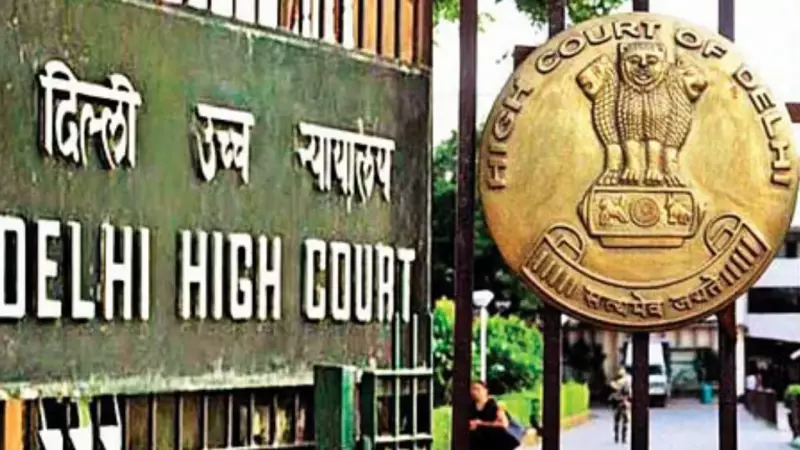
In a landmark decision prioritizing public health, the Delhi High Court has granted permission to Zydus Lifesciences to manufacture and market a biosimilar version of Bristol Myers Squibb's widely used cancer therapy, Nivolumab. This ruling is set to dramatically improve access and affordability for patients battling life-threatening cancers across India.
Court Overturns Earlier Injunction in Favor of Public Interest
A division bench comprising Justices C Hari Shankar and Om Prakash Shukla, on Monday, overturned a previous single-judge order that had blocked Zydus from launching its biosimilar, known as ZRC 3276. The court emphasized that when dealing with life-saving medications, the judiciary must lean towards safeguarding public interest, even as it balances intellectual property rights.
Key Rationale Behind the Decision
The bench articulated a nuanced perspective, stating, "where the product in question is a life-saving drug, the court has to err in favour of public interest." They acknowledged that while protecting patents is crucial to incentivize innovation, denying access to affordable treatments could have dire consequences for patients in urgent need.

To address the innovator's concerns, the court imposed specific conditions. Zydus is required to maintain detailed accounts of all sales from the biosimilar until the patent on Nivolumab expires on May 2, 2026. This measure aims to ensure that Bristol Myers Squibb's interests are safeguarded through financial transparency rather than market exclusion.
Significant Price Reduction Expected
The Zydus biosimilar is projected to be priced approximately 70% lower than the patented version of Nivolumab, marketed as Opdiva. This substantial cost reduction is anticipated to make the critical cancer therapy more accessible to a broader segment of the population, alleviating financial burdens on patients and healthcare systems.
Balancing Innovation and Accessibility
In their detailed order, the judges reflected on the delicate balance courts must maintain. "Courts have to be acutely conscious of their duties in such matters. The tightrope is shaky, and walking it is not always an enviable enterprise," they noted. They further highlighted the obligation to consider the needs of citizens requiring essential therapies while upholding patent laws that drive pharmaceutical research.
The order also cautioned against extremes, warning that "if Courts are to swing to the other extreme, and openly allow circulation, in the market, of drugs which infringe valuable pharmaceutical patents, the incentive to invent would be altogether lost." This underscores the court's commitment to a balanced approach that neither stifles innovation nor compromises patient welfare.
Background and Implications
The legal dispute began last year when a single-judge bench halted Zydus from marketing its biosimilar, citing patent infringement concerns. With the patent set to expire in less than four months, this latest ruling accelerates the availability of a more affordable alternative, potentially setting a precedent for similar cases involving essential medicines in India.
This decision is poised to impact the pharmaceutical landscape by encouraging competition in the biosimilars market, which could lead to further price reductions and enhanced treatment options for cancer patients. It also reinforces the judiciary's role in interpreting intellectual property laws within the context of public health emergencies and societal needs.






