

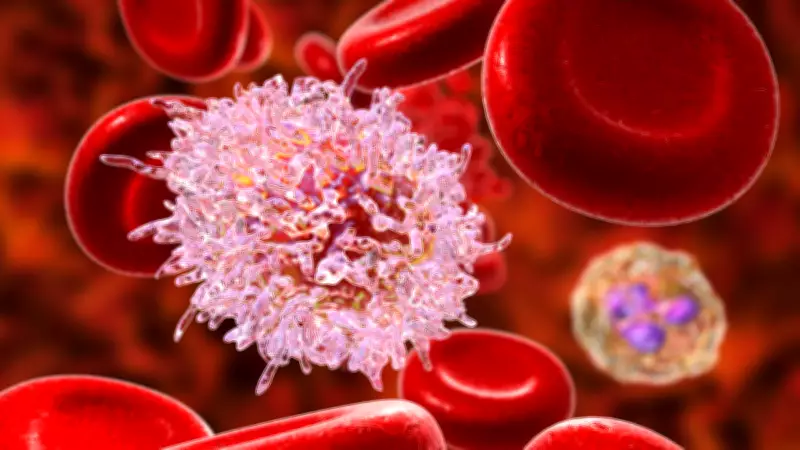
Not every cancer begins with pain, according to doctors who warn that many early symptoms are often mistaken for common health issues. A cough that lingers, constant tiredness blamed on stress, bloating that feels like indigestion, or a mouth ulcer that takes time to heal are all examples of signs that people frequently ignore.
Everyday Symptoms That Could Be Cancer
Most people assume cancer starts with severe pain, a large lump, or a dramatic health crisis. However, the reality is often quieter. The National Cancer Institute (NCI) notes that cancer symptoms are frequently mistaken for less serious conditions, and many cancers do not cause pain in early stages. This is why persistent symptoms deserve medical attention rather than repeated self-treatment.
Difficulty Swallowing: More Than Acidity
Difficulty swallowing is often attributed to spicy food, acid reflux, or poor eating habits. Many people change their diet or take over-the-counter remedies without further thought. Dr. Saadvik Raghuram Y, Director of Medical Oncology at CARE Hospitals, Hyderabad, explains that persistent swallowing difficulties can sometimes be linked to conditions affecting the food pipe, throat, or surrounding tissues. While most cases are not cancer, recurring symptoms should be medically evaluated.

Fatigue That Sleep Doesn't Fix
Modern life makes fatigue feel normal, but cancer-related fatigue is different. It persists despite adequate rest and can slowly affect daily activities. Dr. Vijay Karan Reddy, Senior Consultant at Arete Hospitals, emphasizes that extreme tiredness that does not improve with rest may be associated with cancer. The American Cancer Society advises evaluation when such fatigue continues for weeks.
Mouth Ulcers, Bleeding, and Other Subtle Signs
A mouth ulcer that remains for weeks, repeatedly returns, or becomes increasingly painful should not be ignored. Similarly, unusual bleeding—abnormal vaginal bleeding, blood in stool, or blood in urine—are important warning signals. The CDC notes that abnormal vaginal bleeding can be linked to gynecologic cancers, while changes in bowel habits or blood in stool require investigation.
Unexplained Weight Loss
Sudden weight loss without changes in diet or exercise often attracts compliments, but it should raise questions. The body loses weight for a reason, which could be harmless or linked to thyroid conditions, infections, or cancer. When accompanied by fatigue, appetite changes, or digestive symptoms, medical evaluation is crucial.
Patterns Matter More Than Pain
One major myth is that cancer always hurts. In reality, many cancers develop quietly. A lingering cough may be blamed on pollution, recurring bloating on digestion, and changes in bowel habits on diet. The NCI specifically states that cancer often does not cause pain in early stages, so waiting for severe symptoms can delay diagnosis. Dr. Reddy advises paying attention to patterns rather than isolated discomfort, while Dr. Saadvik recommends simple health check-ups and timely medical advice for better outcomes.
Cancer awareness is not about fear but about noticing when something has changed and refusing to let persistent symptoms become the new normal.
Medical Experts Consulted
- Dr. Saadvik Raghuram Y, Director – Medical Oncology & Hemato-Oncology, CARE Hospitals, Banjara Hills, Hyderabad.
- Dr. Vijay Karan Reddy, HOD & Senior Consultant – Radiation Oncologist, Director of Oncology, Arete Hospitals.
Their inputs highlight how common cancer warning signs are often mistaken for stress, acidity, ageing, or minor infections, and why persistent or recurring symptoms should be medically evaluated.






