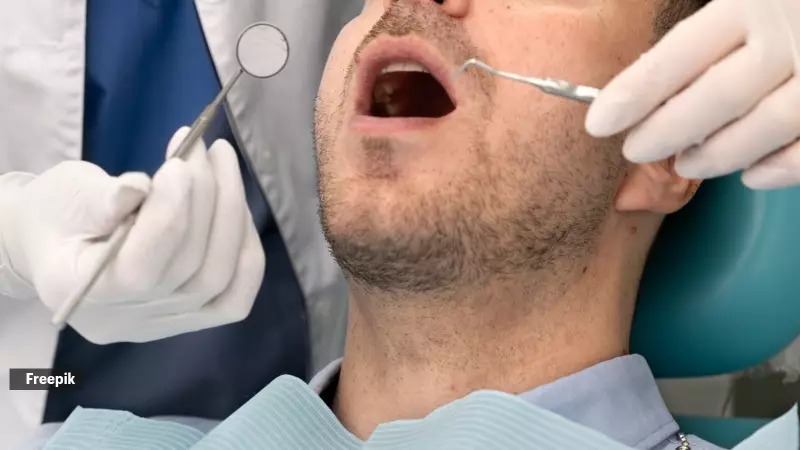
Space exploration operates on a simple, uncompromising principle: eliminate all risks before launch. For astronauts embarking on journeys that last months or years, a minor toothache can spiral into a mission-threatening crisis millions of miles from the nearest dentist. This reality has made preventive surgery, including the removal of wisdom teeth and sometimes the appendix, a non-negotiable part of astronaut preparation.
The Indian Astronaut's Experience: "You Have to Give Up on Your Wisdom"
This protocol is universal, as highlighted by Group Captain Shubhanshu Shukla, India's first astronaut to reach the International Space Station. Speaking at IIT Bombay, the Indian Air Force officer revealed his own experience. "Your dental health is extremely important," Shukla stated. He explained that while astronauts are trained to handle many medical emergencies onboard, there is a critical limitation. "But if there is one thing you cannot do, it is dental surgery. So they make sure that you will not have any problem before you launch."
Shukla had to get two of his wisdom teeth extracted as part of his pre-flight medical clearance. He summed up the requirement with a witty remark: "If you want to be an astronaut, you have to give up on your wisdom."

Why Prevention is the Only Cure in Space
Medical experts strongly endorse this proactive approach. Dr. Hamid Raihan, Sr. Consultant & Head – Dental Services at Asian Hospital, explains the logic. "Both wisdom teeth and the appendix are known for their unpredictability," he says. "They may not cause trouble for years, but when they do, the onset is often sudden and requires urgent care—which is simply not available during space missions."
Wisdom teeth are prone to infections from trapped food, and appendicitis can strike without warning. The longer the mission, the higher the cumulative risk of such an acute medical episode. Dr. Raihan emphasises that space medicine follows a "philosophy of risk elimination rather than treatment." By removing these potential sources of infection on Earth, astronauts are medically optimised to minimise avoidable emergencies that could jeopardise their health and the mission's success.
The Double Danger: Microgravity Worsens Health Crises
The challenges don't end with the lack of an emergency room. The unique environment of space itself can turn a manageable problem into a life-threatening one. Microgravity triggers significant physiological changes that exacerbate dental and abdominal conditions.
"In space, astronauts often experience facial congestion and altered saliva flow, which can intensify dental inflammation and discomfort," Dr. Raihan notes. This is compounded by well-documented effects like bone density loss and a weakened immune response. Together, these factors increase the risk of infection while slowing down the body's natural healing process.
Conditions like appendicitis become even more treacherous. Inflammation may not follow a typical pattern, making early symptoms harder for crewmates to recognise. Changes in how pain is perceived in microgravity, coupled with limited diagnostic tools onboard, raise the alarming risk of delayed detection and rupture. "An infection that might remain localised on Earth can spread more rapidly in space," Dr. Raihan adds.
Why Surgery in Space is Not an Option
Given these heightened risks, why can't astronauts simply perform surgery if needed? The answer lies in the extreme difficulty of conducting complex medical procedures in orbit. "Performing invasive procedures in microgravity is extraordinarily challenging," states Dr. Raihan. Maintaining a sterile field, controlling bleeding, and ensuring precise surgical movements present major obstacles.
While astronauts receive robust basic medical training, complex surgeries require specialised skills, advanced imaging, anaesthesia, and post-operative care—resources severely limited on a spacecraft. Pain management options are restricted, and wound healing is slower. Crucially, evacuation back to Earth could take days or even weeks, making timely rescue impossible for a rapidly developing infection.

Therefore, the mantra for space agencies remains clear: every foreseeable risk must be addressed on the ground. The story of Shubhanshu Shukla and his extracted wisdom teeth is not just an anecdote but a testament to the rigorous, preventative discipline that underpins human spaceflight, ensuring that explorers are as physically prepared as possible before they venture into the unforgiving environment of space.