

Every year in India and across the globe, thousands of infants are born far too soon, arriving before the 28-week mark. These extremely premature newborns confront immense health challenges, often requiring extended stays of weeks or months in Neonatal Intensive Care Units (NICUs). Their underdeveloped bodies are simply not prepared for the outside world, leading to severe struggles with breathing, temperature regulation, feeding, and vulnerability to infections due to immature immune systems.
What is Artificial Womb Technology?
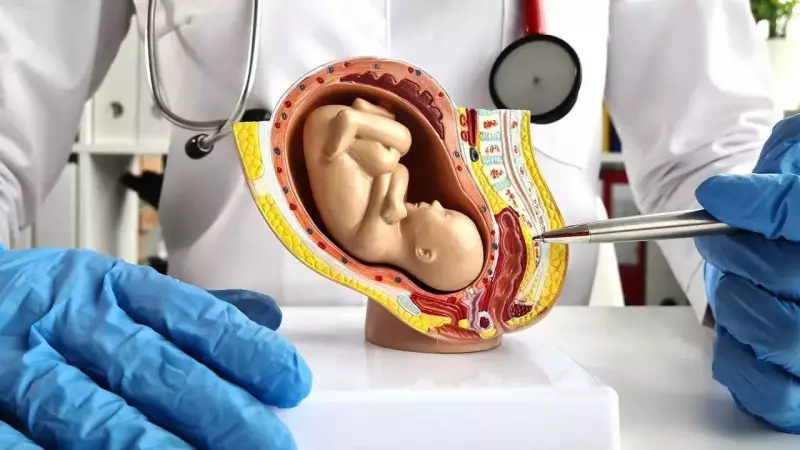
Medical science is now pioneering a revolutionary solution: artificial womb technology. This groundbreaking system aims to replicate the protective environment of the mother's uterus outside her body, potentially transforming outcomes for the most fragile infants. Devices such as the AquaWomb represent this new frontier. The concept involves placing the premature baby into a carefully controlled, warm, fluid-filled chamber, shielding them from the immediate stresses of the external environment.
Within this artificial womb, a synthetic placenta connected to the baby's umbilical cord delivers precisely regulated oxygen and essential nutrients, while simultaneously removing waste—mirroring the natural processes of pregnancy. The temperature, fluid composition, and oxygen levels are meticulously maintained to create an ideal setting. This allows the baby's critical organs, such as the lungs and brain, the precious additional time they need to continue developing in a manner similar to how they would inside the mother.

Potential Impact and Current Progress
The significance of this innovation cannot be overstated. Statistically, babies born between 22 and 28 weeks face the highest risks of severe complications and mortality. While modern medicine has advanced with incubators and ventilators, many survivors still grapple with lifelong issues like chronic lung disease and neurological impairments. Artificial womb technology offers a paradigm shift by providing a natural, protective environment for continued growth, rather than forcing underdeveloped organs to function prematurely.
Research, particularly successful animal studies involving lambs, has demonstrated promising results, including normal growth and improved organ development. These outcomes have bolstered researcher confidence, paving the way for anticipated human trials. Teams globally, including notable efforts in the Netherlands, are racing to refine this technology. The core mission is simple yet profound: to create a vital bridge for babies born far too early, granting them more time in a womb-like sanctuary until they are truly ready for life outside.
A Future of Hope for Families
If this innovation proves successful, it represents a beacon of real hope. Early indications suggest that artificial wombs could significantly boost survival rates and reduce long-term disabilities, enabling more children to grow up healthy. For countless families and healthcare providers in India and worldwide, what once seemed like science fiction is now edging closer to reality, promising a brighter future for the tiniest and most vulnerable among us.






