

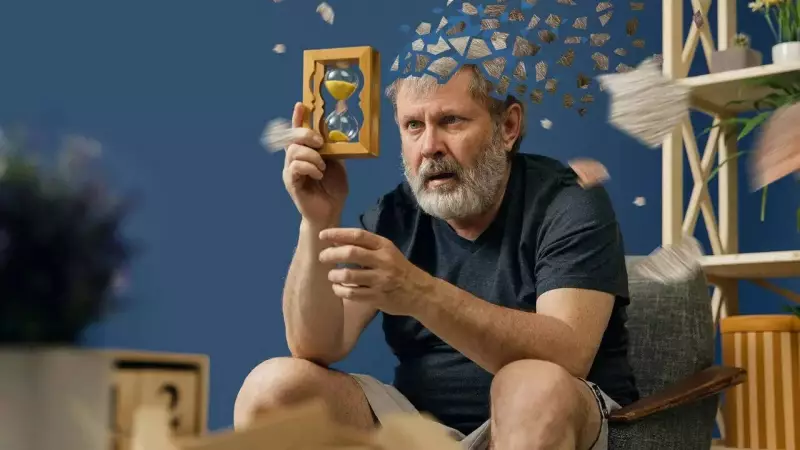
For over a century, Alzheimer's disease has been viewed as an unstoppable, one-way journey of decline. Memory fades, cognitive abilities slip away, and the idea of reversing this damage seemed like a distant dream. Today, that narrative is being powerfully challenged by groundbreaking new research.
The Turning Point: From Slowdown to Reversal
According to Alzheimer's Disease International, more than 55 million people globally live with dementia, a majority suffering from Alzheimer's. Each year, nearly 10 million new cases are diagnosed, with projections indicating the numbers will nearly double by 2050. Lower-income nations are expected to bear the brunt of this surge. Until now, available treatments have only aimed to slow the progression, not repair the harm done.
This paradigm is shifting. A revolutionary study published in the journal Cell Reports Medicine has demonstrated that it is possible to reverse Alzheimer's symptoms, at least in laboratory mice. Scientists from University Hospitals Cleveland, Case Western Reserve University, and the Cleveland VA conducted meticulously controlled experiments where they successfully restored lost brain function and memory in animals with the disease.

The Fuel for the Brain: NAD+ Molecule Holds the Key
The secret lies in a crucial cellular molecule called NAD+ (nicotinamide adenine dinucleotide). Think of NAD+ as the essential fuel that keeps brain cells energetic and functional. In Alzheimer's patients, levels of NAD+ plummet dramatically, and this deficiency appears to be a major driver of the disease's progression.
The research team used a drug compound known as P7C3-A20 to stabilize and restore NAD+ levels in older mice already showing advanced Alzheimer's-like symptoms. The results were startling. The treated mice did not merely halt their decline; they experienced a genuine recovery. Their memory improved, and their brain chemistry began to resemble that of healthy mice.
This represents a monumental shift in scientific thinking. It suggests Alzheimer's may not be an irreversible dead-end. If the correct cellular signals, like NAD+ levels, can be restored, the brain appears to possess a latent capacity to heal itself, even after significant damage has occurred.
Study Details and a New Path Forward
The scientists worked with two distinct groups of mice genetically engineered to develop Alzheimer's hallmarks: one group formed amyloid plaques, while the other developed tau protein tangles. The findings were consistent and compelling.
When NAD+ levels were maintained from an early stage, the mice largely avoided developing Alzheimer's symptoms. More remarkably, even after symptoms and brain damage had become established, initiating treatment with the NAD+-boosting drug helped the mice recover memory and repair neural pathways. These animals performed significantly better on memory and behavioral tests, demonstrating true functional restoration.
This breakthrough points toward a novel therapeutic strategy: combating Alzheimer's by focusing on the fundamental energy metabolism of brain cells. This approach is part of a broader, optimistic wave in dementia research. Scientists in Europe and Asia are exploring nanotechnology to repair the blood-brain barrier and clear toxic proteins, while others are testing lithium-based drugs that show promise in reducing plaques in animal studies.
Hope for Millions of Families
For patients and families grappling with Alzheimer's, a disease that steals memories, independence, and identity, this research injects a powerful dose of hope. The very concept of reversal, once deemed unattainable, now has a scientific foundation in animal models.
The crucial caveat is that this work remains in the preclinical stage. Translating these promising results from mice to human patients will be a complex process requiring years of rigorous clinical trials. However, for the first time in decades, the field of Alzheimer's research is buzzing with genuine optimism. The goal is evolving from merely slowing the disease's march to potentially reclaiming what was lost. That possibility changes everything for the future of dementia care.






