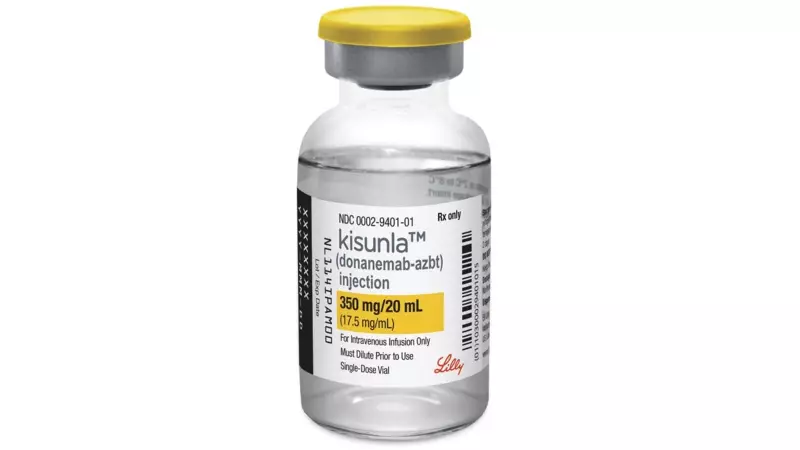
In a significant development for neurological healthcare in India, the country's drug regulatory authority has granted marketing approval to pharmaceutical giant Eli Lilly for its groundbreaking Alzheimer's treatment, donanemab. The drug, marketed under the brand name Kinsula, represents one of only three new-class medications approved globally for treating the neurodegenerative disease.
What is Donanemab and How Does It Work?
Donanemab functions as a monoclonal antibody that specifically targets and clears amyloid beta protein plaques in the brain. These unusual protein deposits are considered a hallmark characteristic of Alzheimer's disease and are believed to contribute significantly to cognitive deterioration.
The treatment protocol involves intravenous infusion administered every four weeks to patients experiencing mild cognitive impairment or mild dementia. The dosage regimen begins with 700 mg for the initial three sessions, followed by maintenance doses of 1400 mg thereafter.

Clinical Efficacy and Safety Profile
According to phase III clinical trial data involving 1,736 participants, donanemab demonstrated remarkable effectiveness in slowing cognitive decline by 35.1% over 76 weeks. Among the study participants, 860 received the four-week infusions until their amyloid beta plaques cleared.
However, the treatment does carry significant safety considerations. The primary adverse effect identified is amyloid-related imaging abnormalities (ARIA), which manifests as temporary brain swelling that typically resolves over time and may include small brain bleeds. The clinical study revealed that 24% of participants experienced brain swelling, while 19.7% had brain bleeding. Tragically, three treatment-related deaths were reported during the study, highlighting the importance of careful patient monitoring.
Timeline and Significance for India
Eli Lilly has indicated that donanemab will likely launch in the Indian market during 2026, making it accessible to patients next year. Winselow Tucker, President and General Manager of Lilly India, emphasized the importance of this approval, stating: "The approval of donanemab marks a significant milestone in our mission to address the urgent needs of people living with Alzheimer's disease in India. By offering an innovative therapy that targets amyloid plaques and slows cognitive decline, we aim to give patients and their families more time and a better quality of life."
This regulatory approval comes approximately one year after the United States Food and Drug Administration granted its endorsement, following a thorough safety and efficacy review by a special expert committee.
Addressing India's Growing Dementia Challenge
The availability of donanemab holds particular significance for India's rapidly aging population. Current estimates indicate that approximately 5.3 million Indians are living with dementia, with Alzheimer's representing one of the most common forms. Projections suggest this number could surge to 14 million by 2050, coinciding with demographic shifts that will see the population over age 60 expand from 103 million in 2011 to 319 million by 2050.
While the medical breakthrough offers hope, cost remains a substantial barrier. The annual treatment cost for an average-weight individual in the United States is approximately ₹32,000. Eli Lilly has confirmed that pricing for the Indian market has not been finalized, leaving patients and healthcare providers awaiting crucial affordability information.
This approval represents a hopeful advancement in India's neurological treatment landscape, potentially offering improved quality of life for millions affected by Alzheimer's disease and their families.