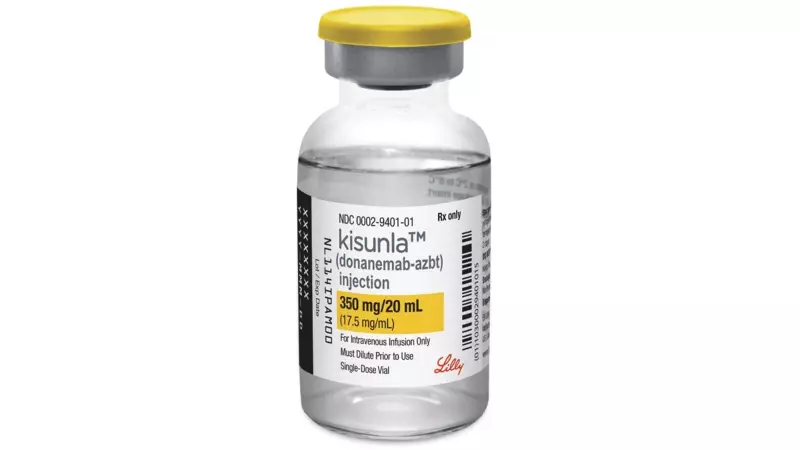
In a significant development for healthcare in India, the country's drug regulatory authority has granted marketing approval to pharmaceutical major Eli Lilly for its groundbreaking Alzheimer's treatment, donanemab. This decision paves the way for the drug, to be sold under the brand name Kinsula, to potentially reach Indian patients by 2026.
The approval marks a pivotal moment in addressing the growing challenge of neurodegenerative diseases in an aging Indian population. It positions donanemab as one of only three drugs in its class approved worldwide for combating Alzheimer's, a condition affecting millions.
A New Hope in the Fight Against Alzheimer's
Donanemab operates as a monoclonal antibody, a type of targeted therapy designed to seek and clear amyloid beta protein plaques in the brain. These plaques are a defining characteristic of Alzheimer's disease. The treatment is specifically intended for individuals in the early stages of the condition, namely those with mild cognitive impairment or mild dementia.

The administration involves an intravenous infusion given once every four weeks. The initial dosage is 700 mg for the first three infusions, after which patients receive a 1400 mg dose. The therapy continues until brain scans show a significant clearance of the amyloid plaques.
Clinical evidence from a large-scale Phase III study, involving 1,736 participants, demonstrated that donanemab can slow cognitive and functional decline by 35.1% over 76 weeks. This data offers a tangible benefit, aiming to give patients and their families more quality time together.
Understanding the Benefits and Risks
While the efficacy data is promising, the treatment is not without its risks. The most notable adverse effect is a condition known as Amyloid-Related Imaging Abnormalities (ARIA). This typically manifests as temporary brain swelling and can sometimes include small brain bleeds.
In the clinical trial, 24% of participants receiving donanemab experienced brain swelling, and 19.7% had micro-bleeds. Although most cases are asymptomatic and resolve over time, there is a potential for serious, and in rare instances, fatal outcomes. The study itself reported three deaths that were treatment-related.
The Indian approval follows a careful review by an expert panel that assessed both the safety and efficacy of the drug. This cautious approach comes in the wake of irregularities noted during the approval processes of other drugs in the same class in other countries, such as the United States, which granted its approval just over a year ago.
Why This Approval Matters for India
The arrival of a new Alzheimer's therapy is particularly crucial for India due to its demographic trajectory. The number of Indians aged over 60 is projected to surge dramatically, from 103 million in 2011 to an estimated 319 million by 2050.
Currently, approximately 5.3 million people in India live with dementia, with Alzheimer's being a predominant form. This figure is forecast to nearly triple, reaching around 14 million by 2050, underscoring the urgent need for effective treatments.
The final hurdle for widespread access, however, remains the cost. In the United States, the treatment is estimated to cost around Rs 32,000 per year for a person of average weight. Eli Lilly has confirmed that the pricing for the Indian market has not yet been finalised, leaving a critical question unanswered for countless families awaiting this advanced therapy.