AIIMS-Delhi Pioneers Groundbreaking Research on Air Pollution and Lung Cancer
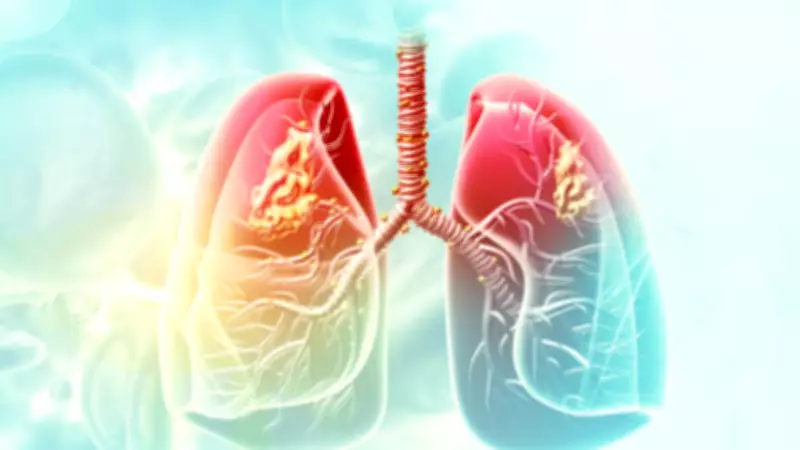
The All India Institute of Medical Sciences in Delhi has initiated a landmark study to investigate the connections between exposure to air pollution, specifically fine particulate matter known as PM2.5, and the elevated risk of developing lung cancer. This comprehensive research endeavor, named the AIRCARE study, is being spearheaded by Dr. Abhishek Shankar, an Assistant Professor in the Department of Radiation Oncology at AIIMS. The institution asserts that this investigation represents the first of its kind in scope and methodology within the region.
Addressing a Critical Public Health Crisis
Dr. Shankar emphasized that as air pollution continues to escalate into a significant public health concern globally, there is an urgent necessity for rigorous scientific research to inform effective policy decisions and enhance disease management strategies. He highlighted that India is home to some of the world's most polluted urban centers, making it imperative to scientifically examine the direct and indirect health impacts of prolonged pollution exposure on the population.
"Lung cancer remains one of the most prevalent cancers among males in India, and we are observing a troubling increase in non-smoking lung cancer cases among females and younger adults," Dr. Shankar stated. He further noted that while air pollution has been identified as a contributing factor to lung cancer development, there is a critical gap in evidence-based data from the Indian context that needs to be addressed through dedicated studies.

Study Design and Objectives
The AIRCARE study is structured as a complex, multi-faceted project involving both clinical and non-clinical components. It will analyze 1,615 confirmed lung cancer cases alongside 1,615 control subjects from family members residing across the Delhi-National Capital Region. One primary aspect of the research will employ a combined cohort and case-control design to meticulously track the effects of chronic PM2.5 exposure on lung cancer incidence across various demographic and socio-economic groups.
Another innovative component of the study aims to identify a unique genetic signature within the Indian population that may be associated with air pollution exposure. In simpler terms, the research will attempt to isolate a population-specific genetic imprint to determine whether specific early genetic events triggered by air pollution can evolve into lung cancer later in life, Dr. Shankar explained.
Expected Outcomes and Implications
Utilizing the collected data, the research team plans to develop a risk-based screening model that integrates both clinical and molecular factors tailored specifically to the Indian population and their exposure levels. This model will also help identify susceptible subgroups within the cohort who are at a higher risk of developing lung cancer, enabling more targeted preventive measures and early interventions.
"It is profoundly concerning that lung cancer, once predominantly linked to tobacco smoking, is now rapidly increasing among non-smokers," Dr. Shankar remarked. He underscored that lung cancer continues to be the second most frequent cancer in males and the fourth most common type for both sexes in India, necessitating immediate policy and management strategies to combat the disease and prevent further loss of life.
The findings from the AIRCARE study are anticipated to provide valuable insights that could shape public health policies, improve screening protocols, and ultimately contribute to reducing the burden of lung cancer in one of the world's most polluted regions.