Thyroid cancer, once considered rare, is now being diagnosed with increasing frequency across India. While the rising numbers are concerning, medical experts emphasize that early detection significantly improves treatment outcomes and survival rates. Recognizing the initial warning signs can be the difference between a manageable condition and a life-threatening situation.
Understanding Thyroid Cancer: The Silent Threat
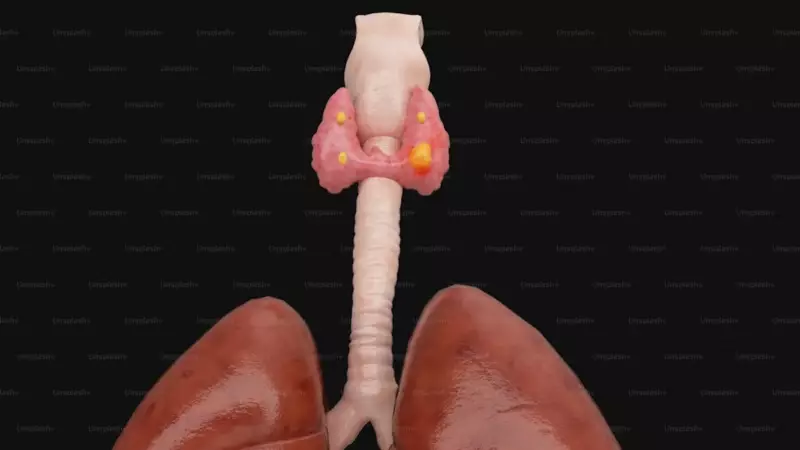
The thyroid gland, a butterfly-shaped organ located at the base of your neck, plays a crucial role in regulating your body's metabolism. When cancerous cells develop in this gland, they can disrupt its normal function and spread to other areas if left untreated. What makes thyroid cancer particularly dangerous is its subtle onset – many early symptoms are easily mistaken for common ailments or stress-related issues.
Medical statistics reveal that thyroid cancer affects women more frequently than men, with diagnosis rates climbing steadily over the past decade. However, the silver lining remains that most thyroid cancers are highly treatable when caught in their initial stages. This makes awareness about early symptoms not just important, but potentially life-saving.

The Six Critical Early Warning Signs
1. A Noticeable Lump or Swelling in the Neck
The most common and often the first detectable sign of thyroid cancer is the appearance of a lump in the neck. This isn't just any swelling – it's typically a firm, fixed nodule that you can feel with your fingers. Many patients discover these lumps accidentally while touching their neck or looking in the mirror. Unlike temporary swellings that come and go, thyroid cancer nodules persist and may gradually increase in size.
2. Voice Changes and Hoarseness That Persist
If your voice becomes consistently hoarse or raspy without any apparent reason like a cold or throat infection, it could indicate thyroid issues. The thyroid gland sits very close to your vocal cords and the nerve that controls them. When a tumor develops, it can press against these structures, affecting your voice quality. This isn't the temporary hoarseness you get from shouting at a cricket match – it lingers for weeks without improvement.
3. Difficulty Swallowing Food and Liquids
As thyroid tumors grow, they can physically obstruct your esophagus, making swallowing challenging. Patients often describe this sensation as food 'getting stuck' in their throat or a constant feeling of pressure when trying to swallow. This symptom typically worsens gradually, starting with difficulty swallowing solid foods and potentially progressing to liquids if left unchecked.
4. Persistent Neck and Throat Pain
While occasional throat pain is common during seasonal changes, unexplained persistent pain in the front of your neck that doesn't respond to regular medication should raise concerns. This pain might sometimes radiate up to your ears. Unlike muscular pain that comes and goes, thyroid-related discomfort tends to be constant and may intensify over time.
5. Breathing Difficulties and Shortness of Breath
When thyroid tumors enlarge significantly, they can compress your windpipe, leading to breathing difficulties. This might manifest as shortness of breath during routine activities that previously didn't cause any issues, a feeling of tightness in the throat, or noisy breathing. This symptom indicates that the tumor has reached a size where medical intervention becomes urgent.
6. Swollen Lymph Nodes in the Neck
Your lymph nodes act as filters for harmful substances, and when cancer begins to spread, they often swell in response. While swollen lymph nodes commonly occur during infections, those related to thyroid cancer typically don't resolve after standard antibiotic treatment and remain enlarged for extended periods.
Why Early Detection Matters More Than Ever
The survival rate for thyroid cancer detected in its early stages exceeds 98% for most common types. This staggering statistic underscores why recognizing these warning signs promptly could literally save your life. Early detection not only improves treatment success but also often allows for less invasive procedures with fewer side effects and complications.

Medical professionals recommend that anyone experiencing one or more of these symptoms for more than two weeks should consult a healthcare provider immediately. Diagnostic procedures typically begin with a physical examination, followed by ultrasound imaging, and if necessary, a fine-needle aspiration biopsy to analyze suspicious cells.
Remember that having these symptoms doesn't automatically mean you have thyroid cancer – many benign conditions can cause similar signs. However, taking them seriously and seeking timely medical advice is the smartest approach to safeguarding your health. Your vigilance today could prevent serious health complications tomorrow.