Dogs are curious chewers, and our homes and yards are full of pretty plants that can quickly attract trouble if left unchecked and unnoticed. We have all had that heart-stopping moment watching our pup eye the greenery, but it is our job and responsibility to keep them safe from silent dangers lurking in pots and gardens. Some plants pack toxins impacting the mouth, gut, heart, or worse, with symptoms ranging from drooling to deadly collapse. Here are some plants that may be toxic for your dog according to a study published in the Dergipark Journal.
Poinsettia
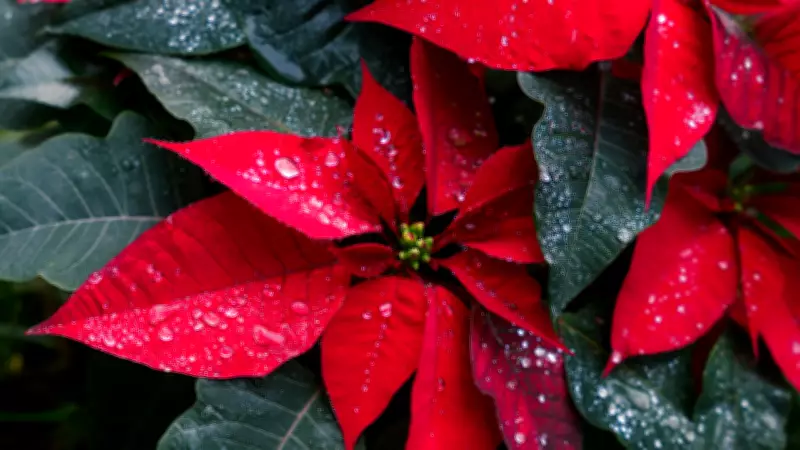
Poinsettia plants, popular holiday decorations with vibrant red leaves, release a milky sap that mildly irritates dogs upon ingestion or contact. Common effects include excessive drooling, vomiting, skin rashes, or eye discomfort. It could also lead to gastrointestinal upset as the primary concern, but is rarely fatal; however, it should be avoided during festive seasons.
Castor Bean
The castor bean plant, a tall ornamental with glossy red seeds, contains ricin, a highly potent toxin. Even minimal ingestion causes severe gastrointestinal distress, excessive thirst, organ failure, and rapid collapse. Removal of the plant is essential to eliminate risk.

Chinaberry Tree
Pretty lacy leaves and berries look attractive, but every part is poisonous, especially the fallen fruits. Toxins cause vomiting, diarrhea, wobbliness, shaking fits, and even passing out or worse. Berries on the ground attract chewers. It is advised to remove the whole tree to stay safe.
Dieffenbachia
This popular houseplant has pretty green and white leaves, but it is troublesome for dogs. It has sharp crystals that feel like biting glass in the mouth. It can impact your pup's mouth, cause burns, swelling, and a lot of drooling, resulting in vomiting. In the worst case, their throat closes, making breathing hard. Keep it way up high where nosy dogs cannot reach.
Daffodil
Daffodil plants, with their colorful spring blooms and bulbs, contain lycorine, a potent alkaloid most concentrated in the bulbs. Ingestion may cause vomiting, tremors, cardiac arrhythmias, seizures, respiratory distress, or collapse. Vase water can also be toxic. Remove bulbs entirely and monitor gardens closely to prevent exposure.