West Asia Geopolitical Crisis Triggers Helium Shortage, Disrupting MRI Services in India
A critical but often overlooked gas is now at the center of a growing healthcare crisis in India. Helium shortages, linked directly to the escalating geopolitical tensions in West Asia, are severely disrupting MRI supply chains across the country. This situation is tightening availability, driving up costs, and raising significant risks of more expensive medical scans and potentially dangerous diagnostic delays for patients.
India's Heavy Dependence on Qatar Imports Creates Vulnerability
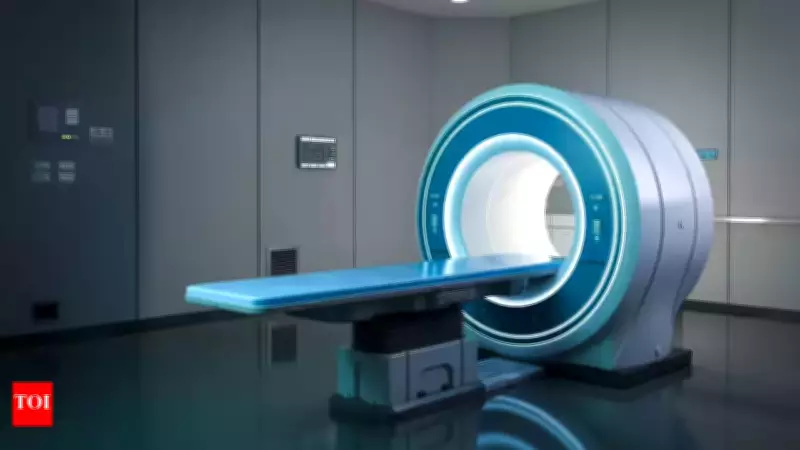
India relies heavily on imports from Qatar for this non-renewable gas, which is essential for cooling the powerful magnets in MRI machines. With Qatar contributing approximately one-third of the global helium supply, any sustained disruption has immediate and severe consequences. Hospitals and diagnostic imaging centers nationwide are now bracing for significantly tighter supplies as inventories remain dangerously thin and global logistics become increasingly volatile.
"The risk is clearly building," emphasized Pavan Choudary, Chairman of the Medical Technology Association of India. "Any prolonged disruption in Qatar will have a direct and severe impact on MRI services and related applications globally. The early price signals we are seeing are extremely concerning for the healthcare sector."

Helium Production Tied to Natural Gas, Making Supply Chains Fragile
Helium is produced as a byproduct of natural gas processing, meaning its supply is intrinsically linked to liquefied natural gas (LNG) output. The current disruptions in Qatar are therefore tightening global availability. An executive from a major medical technology company, who wished to remain anonymous, explained the broader implications: "While there isn't a starkly visible disruption yet, the risk is escalating rapidly. Globalized medtech supply chains are particularly vulnerable to prolonged instability in West Asia, and we are already observing supply chain costs rising sharply."
Industry Response: Shift Toward Helium-Free MRI Technology
In response to these inherent supply limitations, several companies have been proactively developing helium-free MRI machines over recent years. Hariharan Subramanian, Managing Director of Siemens Healthcare, provided insight into this technological shift: "The geopolitical situation has caused limited impact on helium availability so far. However, we have already introduced helium-free MRI systems that utilize proactive dry-cool technology. This helium-efficient approach substantially reduces dependency on the gas and minimizes service disruptions for healthcare providers."
Arjun Arunachalam, Founder of the Bengaluru-based medtech startup Voxelgrids, reinforced this point: "Although helium prices have reached around $80 per cubic meter in certain markets, our company remains insulated because we specialize in manufacturing helium-free imaging systems. This strategic focus is proving crucial during the current supply chain challenges."
Ripple Effects Spread Across Medical Device Industry
The consequences of the West Asia conflict are extending far beyond MRI machines. Manufacturers within the domestic medical device industry are now warning of potential shortages of essential hospital consumables. Critical items including intravenous (IV) bags and lines, urine bags, cannulas, and syringes could face supply disruptions as early as next month.
With most manufacturers maintaining barely 15 to 20 days of inventory, the situation is becoming increasingly precarious. The pressure is further compounded by concurrent shortages of industrial gases used in boilers and rising energy costs. These factors are forcing companies to rely on more expensive alternatives such as diesel or electrical power, adding additional strain to an already fragile supply chain.

The convergence of these factors—geopolitical instability, supply chain vulnerabilities, and rising operational costs—creates a perfect storm for India's healthcare infrastructure. As the situation in West Asia continues to evolve, medical professionals, hospital administrators, and policymakers must prepare for potential long-term disruptions that could affect millions of patients requiring diagnostic imaging and essential medical supplies.