UAE Lawmakers Push for Medicine Pricing Reforms Amid Patient Concerns
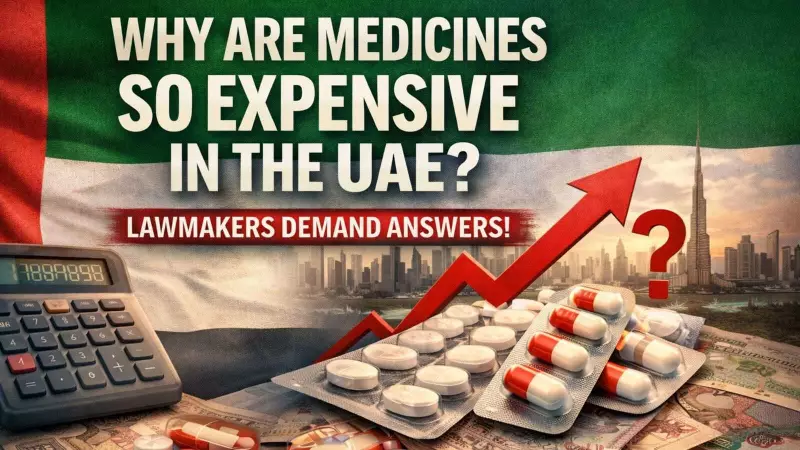
Medicine pricing has emerged as a critical issue in the United Arab Emirates, with lawmakers and health officials grappling with a persistent cost disparity that forces consumers to pay more than anticipated for essential drugs. In early 2026, the Federal National Council initiated a comprehensive review of the nation's pharmaceutical pricing mechanisms, highlighting discrepancies between regulated price lists, actual retail costs, and broader market dynamics influencing availability and affordability.
Officials Acknowledge Price Disparities in UAE
During a recent FNC session focused on pharmaceutical security, officials conceded that medicine prices in the UAE remain higher compared to regional and global benchmarks. Although the country maintains an official pricing list for medicines, regulators admitted that private pharmacy prices often surpass these official rates, particularly during periods of high demand. This cost gap—the difference between regulated procurement or government rates and the actual marketplace prices consumers pay—has become a central concern for policymakers.
It indicates that price controls alone do not fully ensure affordability in practice, raising questions about enforcement, market competition, and transparency. One FNC member attributed weak monitoring as a primary reason for price variation, noting that unified price lists frequently exist only on paper. Without stringent follow-up, some pharmacies charge beyond prescribed rates, undermining efforts to maintain drug affordability.

Impact on Patients and Health Outcomes
Lawmakers emphasized that reviewing medicine prices is not merely a technical policy exercise but directly affects patients, especially those managing chronic illnesses such as diabetes, hypertension, and other long-term conditions requiring regular medication. UAE residents, including Emirati citizens and the large expatriate community, rely on both private pharmacies and comprehensive insurance schemes to access essential medications. However, when prices escalate beyond expected levels, out-of-pocket burdens increase and can potentially deter adherence to treatment plans.
This issue resonates with broader concerns highlighted by health commentators: medical insurance claims in the UAE reached record highs in 2024, with insurance companies paying out Dh16.5 billion in healthcare claims, largely driven by rising costs in healthcare services and treatments. In segments like cancer care, high drug prices have been identified as a major cost driver, prompting advocates to push for price regulation and better access to generic alternatives.
Government Response and Pricing Framework Review
In response to parliamentary scrutiny, the Emirates Drug Establishment confirmed it is revisiting the pricing framework and preparing initiatives to enhance price regulation and market stability. A joint high-level, multi-ministry committee is now studying existing pricing rules to identify weaknesses in enforcement and oversight. Lawmakers outlined that the committee will focus on:
- Price revision mechanisms to maintain medicine affordability
- Stronger monitoring and enforcement of official price lists
- Incentives for local pharmaceutical manufacturing to improve supply stability and reduce import dependency
- Transparency enhancements regarding pricing and drug information
Parliament members welcomed the health minister's response as flexible and receptive, suggesting potential for concrete reforms in 2026.
Local Manufacturing as a Strategic Priority
Beyond pricing mechanics, UAE lawmakers stressed the importance of expanding domestic pharmaceutical production. By encouraging local manufacturing of essential medicines, the UAE could reduce reliance on imports, enhance supply chain resilience, and retain greater control over price and availability. Locally produced medicines meeting global standards could also foster increased consumer confidence, especially when paired with transparency initiatives educating the public on quality and safety.

Historically, the UAE has heavily relied on imported medicines from Europe, the US, and other regions, which often cost more than drugs in other markets. Comparative studies document that the UAE's medicine prices can be substantially higher than in countries like Australia, even after adjusting for purchasing power.
Balancing Market Dynamics and Enforcement
While the UAE's unified procurement system is designed to purchase medicines directly from manufacturers at regulated price points, lawmakers acknowledged that variations persist in practice. Key drivers of price variability and cost inflation include:
- Markup practices by intermediaries and retail pharmacies
- Shortages or spikes in demand, such as during the Covid-19 pandemic
- Lack of rigorous enforcement of pricing standards
- Low competition among importers and distribution networks
Independent voices, including residents on community forums, have echoed these observations, noting that medicine prices can vary significantly between pharmacies and that some medications are far more expensive in the UAE than abroad. In some instances, consumers report prices double or more than available alternatives in other markets, reflecting inefficiencies or pricing power aggregation in the supply chain.
Global Context of Drug Pricing Challenges
The UAE situation mirrors broader global debates about drug pricing and pharmaceutical markets. In many advanced economies, policymakers grapple with regulating prices while ensuring continued innovation and access. For example:
- In the United States, discussions around tariffs and drug pricing involve industry strategies to absorb cost pressures and protect patients from immediate price hikes.
- Other countries implement price transparency rules mandating clinics to display medicine costs, helping consumers make informed choices.
These global trends underscore that medicine pricing is a complex interplay between regulation, market forces, public policy, and consumer protection—a balancing act the UAE is navigating with increasing urgency.
Next Steps: Implementation and Patient Impact
FNC lawmakers have emphasized that real progress will be measured by changes experienced by patients at the pharmacy counter. Key developments to monitor in the coming months include:
- Publication of revised pricing rules and enforcement plans
- Reports on how local manufacturing initiatives affect availability and costs
- Increased transparency in price setting and pharmacy compliance
- Tracking of price changes for essential medicines, particularly chronic disease drugs
For patients, especially those without comprehensive insurance coverage or with long-term medication needs, these reforms could significantly influence out-of-pocket costs and treatment adherence. For the government and regulators, the challenge will be ensuring that policy changes translate into tangible affordability gains rather than remaining theoretical. This may involve strengthening monitoring systems, imposing penalties for non-compliance, and expanding public access to pricing data.
As reforms unfold in 2026 and beyond, patients, insurers, and healthcare providers will closely observe how these policy shifts impact prices at the pharmacy counter and access to essential medicines across the UAE. The UAE's review of medicine prices, driven by parliamentary concern over cost gaps and consumer burden, represents a significant moment in the country's healthcare policy landscape. By acknowledging price disparities and launching a formal review process, the government signals its commitment to more transparent and equitable drug pricing. The focus on local manufacturing, tighter regulation, and enforcement reflects a broader push for healthcare affordability and self-reliance in a rapidly evolving global context.