

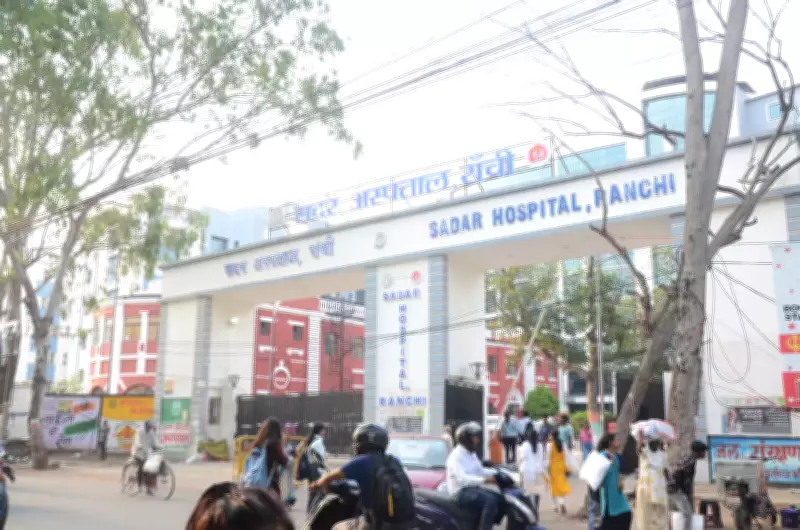
Ranchi's Sadar Hospital Advances as State-Level Radiology Hub with New Tele-Radiology Centre
In a significant boost to healthcare infrastructure in Jharkhand, Sadar Hospital in Ranchi is progressing towards becoming a comprehensive state-level radiology hub. As part of this ambitious initiative, a modern tele-radiology centre has been established on the hospital campus, designed to facilitate digital reporting of radiological investigations from government hospitals across the entire state.
Centralised Digital Infrastructure for Enhanced Radiology Services
The newly launched tele-radiology centre aims to centralise radiology reporting through advanced digital infrastructure, ensuring more efficient and accurate diagnostic processes. At the initial implementation stage, the programme will be rolled out across six districts: Palamu, Khunti, Lohardaga, Gumla, Ranchi, and Simdega. This strategic expansion is expected to streamline radiological services and improve patient care in these regions.
Tele-reporting for patients has already commenced for key medical institutions, including the Central Institute of Psychiatry (CIP) and Medniraj Medical College Hospital in Palamu. This innovative system allows these facilities to receive precise radiology reports online, eliminating the need for patients to make repeated visits to laboratories for follow-ups and report collection.

24x7 Operational Centre with Expert Radiologists
Dr Anish Chaudhary, the in-charge of the radiology hub, provided detailed insights into the centre's operations. "The centre will function 24x7, ensuring round-the-clock availability of radiology services," he stated. "Digital images of various radiological investigations—including X-rays, CT scans, mammography, and MRI—sent from connected hospitals will be examined by expert radiologists. Subsequently, comprehensive reports will be generated and shared online with the concerned health institutions, facilitating prompt medical decisions."
Phased Implementation and Strategic Benefits
Additional Chief Secretary of Health Minister, Ajoy Kumar Singh, outlined the project's implementation strategy. "The project will be executed in two distinct phases," he explained. "In the first phase, Sadar hospitals will be connected to the radiology hub, establishing a foundational network. The second phase will involve integrating medical colleges across the state into this network. This initiative is particularly anticipated to benefit districts that have been experiencing significant delays in radiology services due to an acute shortage of qualified radiologists."
A substantial fund of Rs 1.21 crore has been approved for the project, enabling the development of state-of-the-art digital infrastructure. During the initial phase, the six designated districts will be connected to the hub, and radiology technicians are undergoing advanced training to ensure accurate testing procedures and seamless transmission of medical images, according to official statements.
Addressing Healthcare Disparities and Improving Diagnosis
Dr Chaudhary emphasised the broader objectives of the scheme. "The primary goal of this initiative is to reduce the turnaround time for radiology reports, ensure quick and accurate diagnosis, and bridge the existing healthcare gap between urban and rural areas," he noted. "Delays in report preparation in remote regions often hinder timely treatment, a critical challenge that the new tele-radiology system aims to address effectively."
Civil Surgeon of Ranchi, Dr Prabhat Kumar, highlighted the patient-centric benefits of the tele-reporting initiative. "This tele-reporting initiative is designed to provide much-needed relief to patients from remote and resource-poor areas by guaranteeing timely access to digital radiology reports," he remarked. "By leveraging technology, we can overcome geographical barriers and enhance healthcare delivery across Jharkhand."

The establishment of the tele-radiology centre at Sadar Hospital represents a transformative step in modernising healthcare services in Jharkhand. By centralising radiology reporting and utilising digital platforms, the state aims to improve diagnostic accuracy, reduce patient wait times, and extend quality medical services to underserved regions, ultimately strengthening the overall healthcare ecosystem.





