

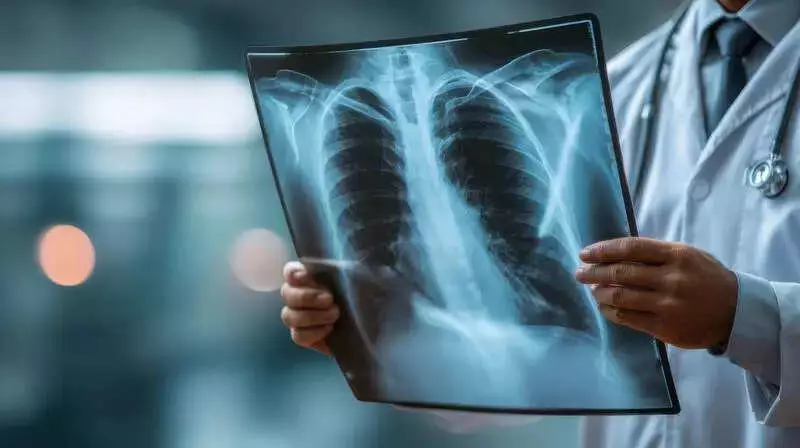
The Punjab government is taking a major step to address critical gaps in its public healthcare system. Faced with severe shortages of advanced diagnostic equipment in state-run hospitals, authorities have decided to bring in private partners. This public-private partnership will establish and operate radiology imaging centers in selected district and sub-divisional hospitals across Punjab.
Ending Patient Hardship
For years, many government hospitals in Punjab have lacked in-house MRI and CT scan services. This forced patients to travel long distances or pay high fees at private centers for essential investigations. The new initiative directly targets this problem. Officials state the move aims to make crucial diagnostic services more accessible and affordable for patients who depend on government healthcare.
A Three-Cluster Rollout Plan
The project will be implemented through three distinct clusters. Each cluster will cover three district hospitals and one sub-divisional hospital. The government has earmarked an estimated Rs 26 crore for the rollout and operation of facilities in each cluster.

Cluster Details and Equipment Allocation
The Punjab Health Systems Corporation issued the request for proposal. It outlines the specific hospitals and equipment for each cluster.
Cluster 1 (Hoshiarpur):
- District Hospital Hoshiarpur: 1 MRI scanner
- District Hospital Nawanshahr: 1 MRI scanner
- District Hospital Kapurthala: 1 MRI scanner
- Sub-Divisional Hospital Dasuya: 1 CT scanner
Cluster 2 (Ferozepur):
- District Hospital Fazilka: 1 MRI scanner
- District Hospital Muktsar: 1 MRI scanner
- District Hospital Ferozepur: 1 MRI scanner
- Sub-Divisional Hospital Abohar: 1 CT scanner
Cluster 3 (Barnala):
- District Hospital Faridkot: 1 MRI scanner
- District Hospital Barnala: 1 MRI scanner
- District Hospital Mansa: 1 MRI scanner
- Sub-Divisional Hospital Malout: 1 CT scanner
Private Partner Responsibilities
Under the PPP framework, the selected private laboratory will have significant duties. It must establish the radiology imaging diagnostic centers in each designated hospital. This includes installing equipment as per government specifications, financing the entire project, and handling operation and maintenance. The centers will function round the clock, seven days a week, throughout the year.
Staffing and Service Standards
The government has set clear staffing norms. Each cluster must have a minimum of one radiologist. This radiologist will be physically present at the cluster headquarters center from 8 am to 6 pm. They will remain on call during all other hours. Teleradiology services will be permitted at the other centers within the cluster.
Each MRI or CT scanner will have at least one radiographer or technician and one attending nurse available at all times. To ensure prompt service, scanned images must be made available to patients within 45 minutes of the scan being completed.
Patient-Centric Policies
The initiative includes several measures designed specifically for patient benefit. A specified minimum number of films will be provided to each patient as prescribed. Digital copies of scans will be made available on request in a secure and accessible format. If any films are of poor quality and need replacement, the center must provide additional films at no extra charge.
Strict Reporting Timelines
Clear deadlines are set for issuing diagnostic reports.
- For regular cases scanned before 2 pm, reports must be available within six hours.
- For scans conducted after 2 pm, reports must be issued before 10 am the following day.
- Emergency cases must receive their reports within two hours of scanning.
Performance Monitoring and Pricing
The government will track performance using key indicators. These include the availability of trained personnel, staff attendance, equipment downtime, and report turnaround times for both emergency and non-emergency cases.

The selected private lab will be permitted to serve both government-referred patients and private patients. User charges will be uniform for all. They will be calculated by applying a quoted discount to the prevailing Central Government Health Scheme rates for diagnostic services in Chandigarh.
Support for Economically Weaker Patients
To ensure affordability, up to 5% of the total cases handled at each center in a month will be provided completely free of cost. Authorized officials like the district health officer or senior medical officer will designate these cases. Any surplus or shortfall in free cases for a month will be carried forward to the next financial year.
This comprehensive PPP model represents a significant shift in Punjab's approach to public healthcare infrastructure. It directly tackles the long-standing issue of diagnostic access, promising to reduce patient burden and improve health outcomes across the state.





