NBWL Panel Defers Decision on Karnataka's Sharavathi Power Project, Seeks More Information
The National Board for Wildlife's Standing Committee has decided to postpone its approval for the proposed Sharavathi pumped storage power project in Karnataka. During a recent meeting, the committee concluded that it requires additional information before making a final decision on the project's environmental clearance.
Project Details and Environmental Concerns
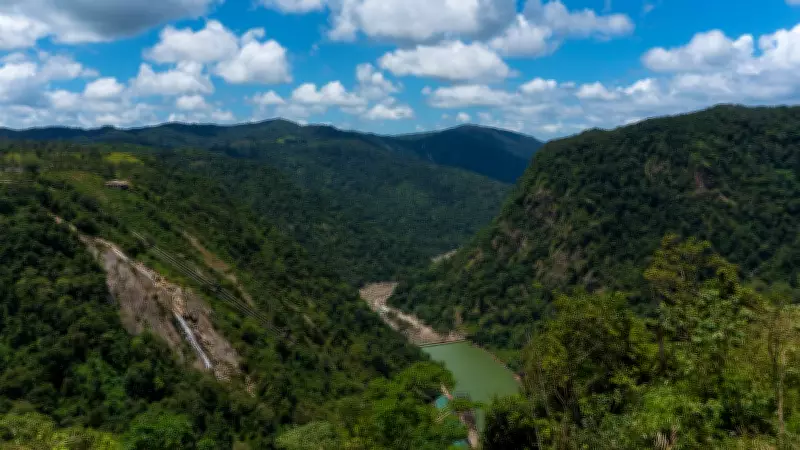
The Sharavathi pumped storage power project is planned for implementation in the Shivamogga district of Karnataka. This ambitious initiative aims to generate electricity through a system that pumps water to an upper reservoir during periods of low demand and releases it through turbines during peak hours. However, the project's location has raised significant environmental concerns due to its proximity to ecologically sensitive areas.
The Standing Committee has specifically requested more comprehensive data regarding the project's potential impact on local wildlife habitats and forest ecosystems. Committee members emphasized the need for detailed mitigation plans to address any adverse effects on biodiversity in the region. This request for additional information reflects the board's commitment to thorough environmental assessment procedures.

Next Steps and Project Implications
The project proponents must now prepare and submit the requested information to the NBWL Standing Committee for further review. This additional scrutiny could potentially delay the project's implementation timeline, but it ensures that environmental safeguards are properly considered.
The deferral decision highlights the careful balancing act between development needs and environmental protection in India's energy infrastructure planning. Karnataka's energy requirements continue to grow, making projects like the Sharavathi pumped storage facility potentially valuable for the state's power grid stability and renewable energy integration.
Key aspects the committee will examine include:
- Detailed environmental impact assessment reports
- Specific mitigation measures for wildlife protection
- Long-term ecological monitoring plans
- Community impact assessments for local populations
The NBWL's cautious approach demonstrates the increasing importance of comprehensive environmental review processes for major infrastructure projects across India. The final decision on the Sharavathi power project will set an important precedent for how similar projects are evaluated in ecologically sensitive regions.