

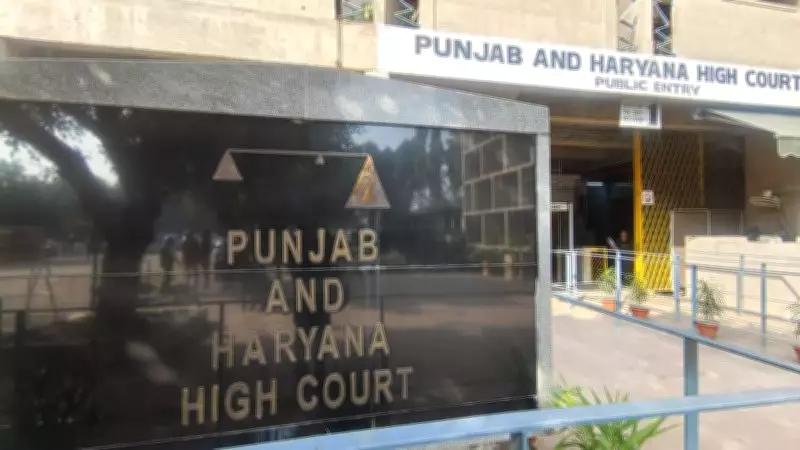
Punjab High Court Mandates Full Payment for Cadaver Transplant, Citing Right to Life
In a landmark decision, the Punjab and Haryana High Court has issued a directive to the Punjab government, ordering the clearance of the full claim amount for a cadaver transplant procedure. The court emphatically ruled that existing rate caps and financial regulations cannot supersede or override the fundamental constitutional right to life, as enshrined under Article 21 of the Indian Constitution. This judgment underscores the judiciary's commitment to prioritizing human life and health over bureaucratic or economic constraints, setting a significant precedent for healthcare disputes across the region.
Court's Rationale: Upholding Constitutional Mandates
The High Court's ruling was delivered in response to a petition filed by a patient who had undergone a cadaver transplant, where the state authorities had initially refused to reimburse the full cost, citing adherence to prescribed rate caps. The court meticulously examined the case, highlighting that the right to life is not merely a theoretical concept but a practical entitlement that includes access to essential medical treatments. By asserting that rate caps cannot be invoked to deny or limit such critical healthcare services, the court reinforced the principle that financial considerations must yield to the imperative of preserving life, especially in life-saving scenarios like organ transplants.
Implications for Healthcare Policy and Governance
This decision is poised to have far-reaching implications for healthcare policy and governance in Punjab and potentially beyond. It challenges the state's approach to managing medical expenses through rate caps, urging a more flexible and humane framework that aligns with constitutional values. The court's order mandates the Punjab government to expedite the payment of the full claim, ensuring that the patient receives the necessary financial support without further delay. This move is expected to prompt a review of existing healthcare reimbursement policies, encouraging authorities to balance fiscal prudence with the ethical and legal obligations to safeguard citizens' health and well-being.

Broader Context and Future Outlook
The ruling arrives at a critical juncture, as India continues to grapple with healthcare accessibility and affordability issues. By prioritizing the right to life over administrative rate caps, the High Court sends a clear message to other states and institutions about the non-negotiable nature of fundamental rights in medical contexts. Legal experts anticipate that this judgment could inspire similar cases nationwide, fostering a more rights-based approach to healthcare funding. As the Punjab government moves to comply with the court's directive, stakeholders in the medical and legal communities are closely monitoring the implementation, which could catalyze reforms in transplant policies and patient care standards, ultimately enhancing the protection of vulnerable individuals in need of life-saving interventions.






