

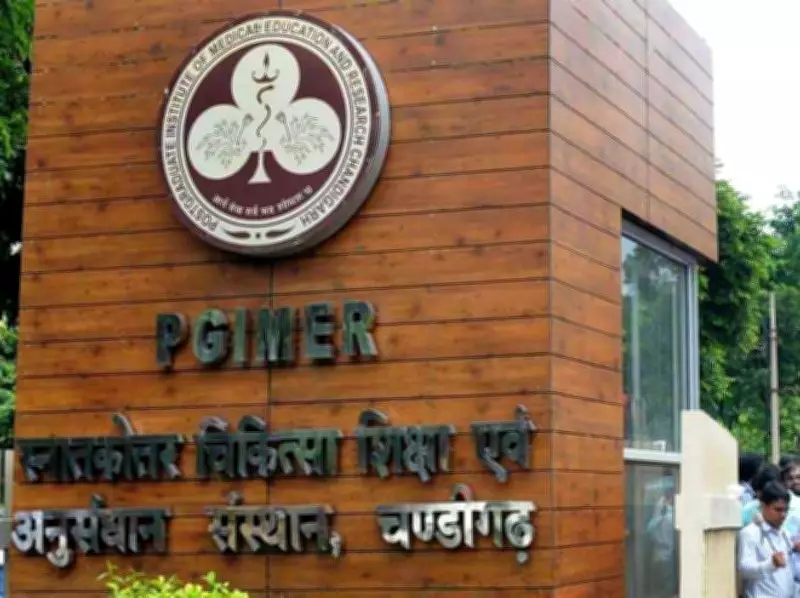
PGI Chandigarh's Innovative Tobacco Testing Lab Course Earns Widespread Recognition
The Postgraduate Institute of Medical Education and Research (PGI) in Chandigarh has introduced a groundbreaking specialized course designed for tobacco testing laboratories, which has garnered significant praise from the medical and public health communities. This initiative marks a crucial step forward in strengthening India's capacity to monitor and regulate tobacco products, addressing a major public health concern with scientific rigor and precision.
Enhancing Laboratory Standards and Public Health Monitoring
The course focuses on equipping laboratory professionals with advanced skills in tobacco testing methodologies, including chemical analysis, quality control, and regulatory compliance. By providing hands-on training and theoretical knowledge, PGI aims to standardize testing procedures across labs, ensuring accurate and reliable data for public health policies. This effort is particularly vital in combating tobacco-related diseases, which pose a significant burden on healthcare systems nationwide.
Experts have lauded the program for its timely intervention in improving lab infrastructure and workforce competency. The course curriculum covers essential topics such as nicotine and tar measurement, detection of harmful additives, and adherence to international testing protocols. Participants gain practical experience through state-of-the-art equipment and case studies, preparing them to tackle real-world challenges in tobacco regulation.

Impact on National Health Initiatives and Future Prospects
The acclaim for this course underscores its alignment with national health goals, including the government's efforts to reduce tobacco consumption through evidence-based strategies. By fostering a skilled workforce, PGI contributes to more effective enforcement of tobacco control laws and better public awareness campaigns. The initiative is expected to lead to improved data collection, which can inform policy decisions and targeted interventions.
Looking ahead, PGI plans to expand the course to include more participants from across India and potentially collaborate with international organizations. This could enhance global best practices in tobacco testing and support broader public health objectives. The positive feedback highlights the institute's role as a leader in medical education and research, driving innovations that address pressing health issues.
In summary, PGI Chandigarh's tobacco testing lab course represents a significant advancement in public health infrastructure, earning praise for its comprehensive approach and potential to make a lasting impact on tobacco control efforts in India and beyond.






