Neurology Patients Endure Overcrowded Queues at Chennai's Stanley Hospital
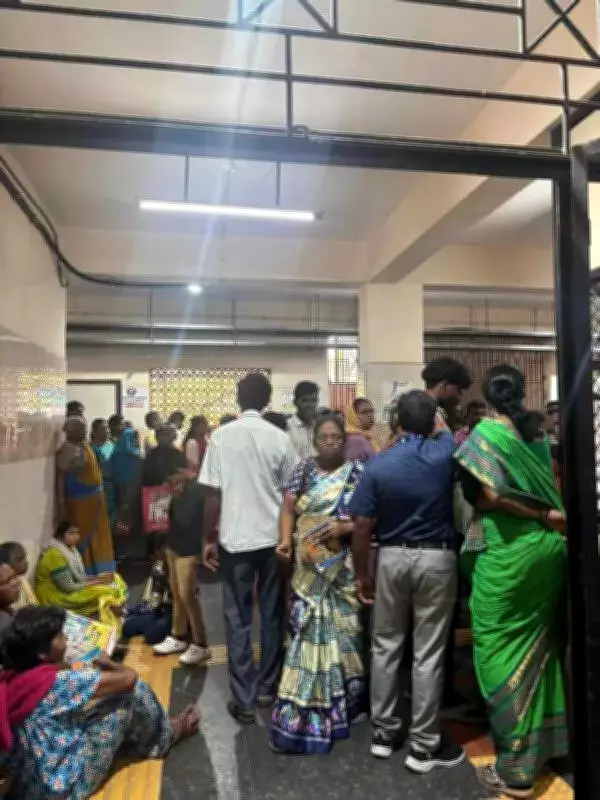
In a distressing scene at the Government Stanley Medical College and Hospital in Chennai, patients suffering from serious neurological conditions such as epilepsy, stroke, and spine-related disorders are forced to wait for at least an hour in long, overcrowded queues. The corridors outside the neurology department have become a bottleneck, with individuals struggling to access prescribed medicines due to severe congestion and inadequate facilities.
Chaotic Conditions at Medicine Counters
On a recent Saturday, the situation reached a critical point, with more than 200 people crammed in front of just four counters. Each counter is staffed by a single person responsible for accepting prescriptions and dispensing medicines, leading to significant delays. Middle-aged men and senior citizens reported waiting a minimum of half an hour to be served, exacerbating their health issues and causing immense physical strain.
Ramesh G, a 52-year-old patient, shared his ordeal, stating, "Most patients come with attendants, but it is still incredibly difficult for them to join the line. If a patient wants to sit, there are no chairs and no space on the floor, making the wait unbearable." He had been in the queue for at least 40 minutes, highlighting the systemic inefficiencies.

Patient Struggles and Health Risks
The overcrowding forces patients to remain in line without breaks, as stepping out for water or using the restroom means losing their place. Anifha J, 35, who accompanies her mother to the hospital, described the challenges: "It's too cramped to stand inside. My mother finds it difficult to stand for long hours. By the time we finish the examination and come here, she is exhausted, adding to her discomfort."
The neurology department handles a heavy caseload, seeing 80 to 100 new cases daily, in addition to follow-up patients. Common conditions treated include epilepsy, stroke, peripheral neuropathy, spinal cord disorders, and various nerve-related ailments. This high volume contributes to the persistent queues and overcrowding.
Hospital Response and Operational Challenges
Resident Medical Officer B Vanithamalar acknowledged the issue, noting that patient turnout spikes on Saturdays. "The neurology department operates only four times a week, which leads to an accumulation of patient load. We see heavier footfall on weekends, compounding the problem," she explained. A doctor from the department assured that steps will be taken soon to address these concerns and make the environment more comfortable for patients.
This situation underscores broader challenges in public healthcare access, particularly for vulnerable populations with chronic neurological disorders. Efforts to streamline processes and improve infrastructure are urgently needed to alleviate patient suffering and ensure timely medical care.