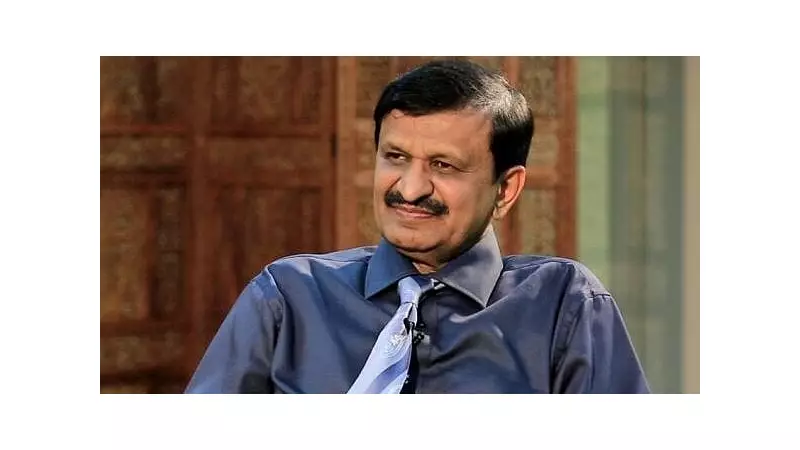
In a significant push to strengthen India's flagship health insurance program, Member of Parliament Dr C N Manjunath has proposed a substantial increase in the annual coverage limit under the Ayushman Bharat Pradhan Mantri Jan Arogya Yojana (AB-PMJAY). The parliamentarian has urged the government to raise the coverage from the current Rs 5 lakh to Rs 7.5 lakh per family per year.
Addressing the Rural Healthcare Crisis
While advocating for enhanced financial protection, Dr Manjunath simultaneously brought to light a persistent and critical challenge facing India's healthcare system: the severe shortage of medical professionals in rural and semi-urban areas. He presented stark figures to underscore the disparity in doctor distribution across the country.
There are approximately 19 lakh allopathic doctors and around 5 lakh Ayush doctors available in India, he stated. However, the crux of the problem, as he pointed out, is their unwillingness to serve in non-urban regions. This creates a massive gap in access to quality healthcare for a significant portion of the population that the Ayushman Bharat scheme aims to protect.

The Dual Proposal: More Funds, More Doctors
Dr Manjunath's intervention, made on 15 December 2025, presents a two-pronged approach to improving healthcare access. The first is the direct enhancement of the scheme's financial ceiling. Increasing the coverage to Rs 7.5 lakh would provide a much larger safety net for families, especially for treating critical illnesses, advanced procedures, and prolonged hospitalizations that can quickly exhaust the current limit.
The second, and arguably more complex, part of the issue is the human resource deficit. The availability of nearly 24 lakh doctors (allopathic and Ayush combined) does not translate to their presence where they are needed most. This urban-centric distribution of medical practitioners undermines the effectiveness of even a well-funded scheme like Ayushman Bharat, as beneficiaries in villages may have insurance coverage but no accessible doctors to provide treatment.
Implications and the Path Forward
The MP's recommendations, if considered, could lead to a major policy shift. A higher coverage amount would require increased budgetary allocation and robust mechanisms to prevent fraud, but it would significantly reduce out-of-pocket expenses for poor and vulnerable families. It would make advanced treatments more accessible under the scheme's umbrella.
Concurrently, addressing the rural doctor shortage demands innovative solutions beyond mere numbers. This could involve:
- Incentivizing rural postings through better pay, accommodation, and career advancement opportunities.
- Strengthening the network of Ayush practitioners and integrating them more effectively into the primary healthcare framework.
- Investing in digital health infrastructure like telemedicine to bridge the physical gap in specialist consultations.
The call from Dr C N Manjunath highlights that financial coverage and healthcare delivery infrastructure are two sides of the same coin. For Ayushman Bharat to truly achieve its goal of universal health coverage, it must evolve not just in its monetary ambit but also in ensuring that quality medical services are physically within reach of every citizen, regardless of their postal code.