Himachal's Kangra District Hospitals Face Severe Specialist Doctor Shortage Crisis
Palampur, March 23, 2026: Government hospitals throughout Kangra district in Himachal Pradesh are confronting a critical shortage of medical professionals, particularly specialists and super-specialists, creating a healthcare crisis that disproportionately affects rural populations.
Mounting Vacancies and Retention Challenges
As of December last year, approximately 250 medical officer positions remained vacant across the state. Despite ongoing recruitment initiatives by the Himachal Pradesh government, vacancies continue to accumulate annually. Sanctioned posts in various state hospitals and the medical college at Tanda remain unfilled, severely compromising healthcare delivery.
Civil hospitals in rural areas including Thural, Bhawarna, Dheera, and Baijnath are operating significantly below their sanctioned doctor strength. Specialists selected through the Public Service Commission—such as gynaecologists, anaesthetists, paediatricians, orthopaedicians, and surgeons—are either insufficient in number or frequently resign after brief periods of service.

Sources indicate that nearly 25 percent of doctors reportedly leave government service within a few years of joining, exacerbating the staffing crisis.
Root Causes: Poor Conditions and Administrative Hurdles
Medical professionals cite multiple factors driving them away from state service:
- Inadequate working conditions including heavy patient loads and lack of basic infrastructure
- Relatively low salaries compared to private sector opportunities
- Limited career progression and outdated service structures
- Administrative pressures and political interference in health institutions
- Shortage of essential medical equipment and insufficient administrative support
- Frequent transfers and bureaucratic hurdles that erode morale
Young doctors who enter government service with enthusiasm to serve rural communities often become frustrated and disillusioned by these systemic challenges.
Incomplete Infrastructure and Funding Shortfalls
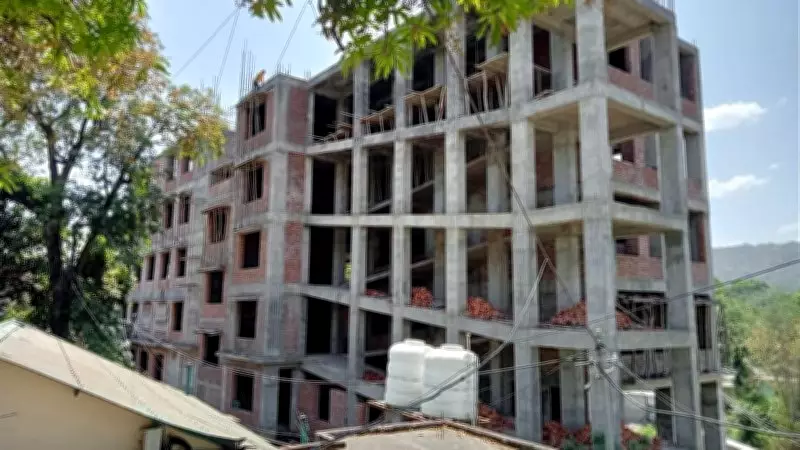
The healthcare infrastructure itself remains underdeveloped in several locations. Hospitals at Thural and Bhawarna stand incomplete due to insufficient funding, further limiting healthcare access in these regions.
Former Health Minister Vipin Parmar noted that during his tenure in the Jai Ram Thakur government, campus interviews were conducted for doctors, and choice postings were offered to encourage retention within state service.
Expert Recommendations for Systemic Reform
Dr. Naresh Mehata, former joint director of the Health Department, emphasized that retaining specialists in rural and semi-urban hospitals requires comprehensive measures:
- Extra incentives beyond basic compensation
- Political and administrative support for healthcare institutions
- Institutional strengthening through better facilities
- Modern recruitment and promotion policies replacing outdated service structures
- Long-term stability and growth opportunities for medical professionals
"Despite the establishment of four new medical colleges in Himachal Pradesh in recent years, faculty shortage remains a serious concern," Dr. Mehata added. "In certain institutions, nearly 30 percent of teaching positions are vacant. Reported political interference and lack of administrative transparency contribute significantly to the steady outflow of talent from the state."
Concrete Examples of Systemic Failure
A recent incident illustrates the bureaucratic challenges: a super-specialist couple waited for an advertisement for assistant professor positions in medical colleges, but the government failed to advertise the posts. Subsequently offered medical officer positions at a fixed salary of Rs 33,500, the couple ultimately secured employment outside Himachal Pradesh.

A former medical superintendent at Palampur Civil Hospital warned that without structural reforms—including competitive pay packages, improved infrastructure, transparent promotion systems, and supportive work environments—the state's public healthcare system will continue to struggle, and specialists will remain reluctant to join state service.
Broader Implications for Healthcare Access
The persistent doctor shortage poses a serious threat to healthcare access throughout Himachal Pradesh, particularly in rural and underserved regions where government hospitals serve as primary lifelines for communities. This crisis highlights the urgent need for comprehensive healthcare reforms to ensure adequate medical services reach all residents of the state.