

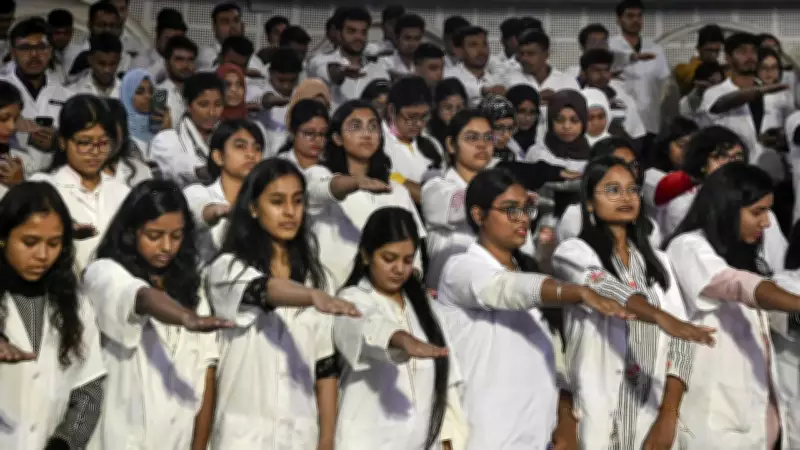
Major Expansion of Medical Education Capacity in India
In a landmark decision aimed at significantly strengthening India's healthcare infrastructure, the Central government has approved the creation of 10,023 new medical seats across government institutions. This substantial capacity enhancement includes 5,000 postgraduate seats and 5,023 MBBS seats, representing one of the most ambitious medical education expansions in recent years.
Parliamentary Announcement and Scheme Details
Health Minister Jagat Prakash Nadda informed Parliament that Phase-III of a Centrally Sponsored Scheme has been cleared to strengthen and upgrade existing State and Central government medical colleges, standalone postgraduate institutes, and government hospitals. The expansion initiative will be implemented over a four-year period from 2025-26 to 2028-29, with the financial framework enhanced to accommodate rising infrastructure and equipment costs.
The cost ceiling has been increased to ₹1.50 crore per seat, reflecting the substantial investment required for modern medical education facilities and advanced equipment necessary for training future healthcare professionals.

Strategic Focus on Specialist Training and Regional Equity
The approved plan strategically addresses two critical gaps in India's medical education landscape. The 5,000 additional postgraduate seats specifically target the persistent shortage of medical specialists across various disciplines, while the scheme for upgrading government medical colleges has been extended to facilitate the creation of 5,023 new MBBS seats.
States and Union Territories have been directed to submit Detailed Project Reports along with comprehensive gap analyses. The implementation guidelines emphasize several priority areas:
- Prioritizing institutions in underserved and rural regions
- Focusing on key broad specialities when proposing new seats
- Ensuring equitable distribution of educational opportunities
- Strengthening healthcare infrastructure in regions with limited access
Regulatory Reforms to Support Expansion
Alongside the physical expansion of medical seats, the government has introduced significant regulatory reforms to facilitate sustainable growth. The National Medical Commission has notified updated education and faculty regulations that streamline the expansion process while maintaining quality standards.
Key regulatory changes include:
- Widened eligibility norms for medical teachers and faculty members
- Recognition of more hospitals as teaching institutions to support clinical training
- Simplified approval processes for new medical programs
- Enhanced quality assurance mechanisms for expanded capacity
Long-Term Impact on Healthcare Workforce
The Centre emphasized that these comprehensive measures aim to achieve multiple strategic objectives: increasing access to quality medical education, improving regional equity in healthcare training opportunities, and strengthening the country's healthcare workforce pipeline for decades to come.
With demand for medical seats consistently far outstripping availability each year, the addition of over 10,000 seats represents a transformative intervention expected to significantly impact admission capacity in coming academic cycles. This expansion could potentially reduce the intense competition for limited medical education opportunities while simultaneously addressing critical healthcare workforce shortages across India's diverse healthcare landscape.
The initiative represents a substantial investment in India's future healthcare capabilities, positioning the country to better meet growing healthcare demands while developing a more robust and geographically distributed medical workforce.






