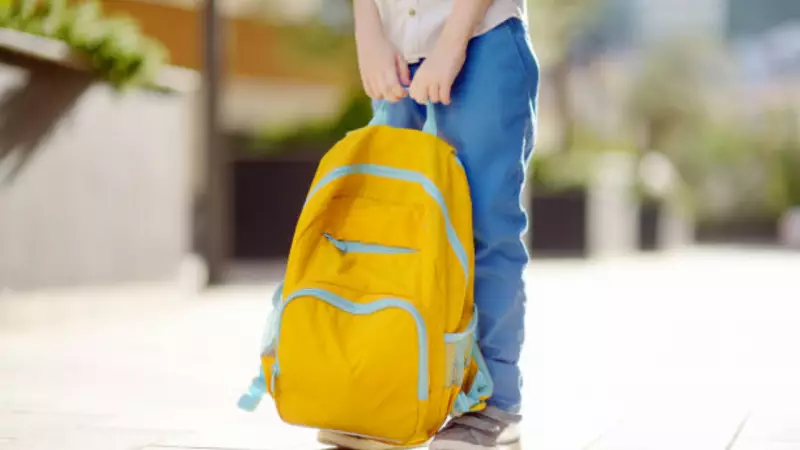
Heavy School Bags Pose Serious Risk to Children's Developing Spines
If you have ever seen a child returning from school, hunched over like a tiny question mark under the weight of an oversized backpack, you have witnessed a common but concerning sight. That heavy load is more than just an inconvenience. It represents a genuine threat to a growing body. Today's children carry not just textbooks but also lunch boxes, water bottles, sports equipment, notebooks, and sometimes even tablets or laptops. Many parents may not fully grasp the significant strain this places on their child's developing frame.
Carrying an excessively heavy backpack does more than cause fatigue. It can negatively impact posture, place undue stress on the back and shoulders, and potentially lead to chronic spinal issues. You might observe children leaning forward or to one side, or walking with an awkward gait as they struggle to balance the load. Alarmingly, children often do not complain. Many simply endure the discomfort, believing it to be a normal part of school life. So, what steps can parents take to safeguard their children's health?
Safe Weight Limits for School Bags by Age Group
Medical experts advise that a school bag becomes excessively heavy when it exceeds 10 to 15 percent of a child's body weight. This guideline applies across all age groups to prevent postural issues and spinal stress during crucial growth years.

- Preschoolers (3-5 years): The bag should weigh about 10% of body weight, roughly 0.5 to 0.7 kilograms (500-700 grams).
- Children (6-8 years): Weight must not surpass 0.9 to 1.2 kilograms.
- Children (9-12 years): Limit remains 10-15% of body weight, approximately 1.2 to 1.5 kilograms.
- Teens (13-15 years): A safe weight is around 1.5 to 2.3 kilograms, with an upper limit of 15% body weight, typically 2.5 to 3.5 kilograms for high school students.
Exceeding these limits forces children to bend forward or sideways. This can lead to spinal imbalance, muscle fatigue, nerve compression, and long-term musculoskeletal problems.
The Correct Way to Wear a Backpack
Proper wearing technique is vital for reducing muscle and spinal strain. Always use both shoulder straps to distribute weight evenly across the body. Carrying a bag on one shoulder strains muscles and can cause neck, shoulder, and back pain.
Adjust the straps so the bag sits snugly against the back, positioned 4 to 6 inches above the waistline. This placement prevents pulling on the lower spine. Waist and chest straps add stability, minimizing movement while walking. Pack heavier items closer to the back. Encourage children to stand and walk upright without bending forward or leaning to the side. The rule is simple but critical: always wear the backpack on both shoulders.
Choosing an Ergonomic School Bag
When selecting a school bag, parents should prioritize features that support good posture and weight distribution. Look for an ergonomic design with two wide, padded shoulder straps to alleviate pressure on the shoulders and neck. A padded back panel that follows the natural curve of the spine is essential.
Multiple compartments help distribute books and supplies evenly, preventing weight from concentrating in one spot. Choose bags made from lightweight yet durable materials to avoid unnecessary load. Waist and sternum straps are particularly beneficial for stability and reducing shoulder burden. For older children who must carry heavier loads, rolling backpacks can be a safer alternative that spares the spine.
Warning Signs of Backpack-Related Strain
Early indicators of strain often include frequent or persistent pain in the back, neck, or shoulders, especially after school or physical activity. Parents may notice visible postural changes such as slouching, a hunched upper back, leaning to one side, or uneven shoulders.

Children might report stiffness, muscle fatigue, shooting pains, or experience numbness and tingling in the arms or legs due to nerve compression. Watch for changes in walking patterns, reduced balance, frequent rubbing of the lower back, or reluctance to join physical activities. Behavioral signs like difficulty concentrating, irritability, or low energy can also emerge as pain affects both physical and mental well-being. Persistent pain or noticeable postural changes require prompt medical attention.
Can Exercises Help Prevent Pain?
While exercises and stretches can support muscle health and spinal well-being, they are supplementary tools, not solutions for heavy backpacks. Light stretching for the back, shoulders, and neck, along with core-strengthening exercises, can improve posture and help the spine handle daily loads. Encouraging postural awareness and frequent movement helps prevent stiffness.
However, exercises cannot correct the fundamental issues caused by regularly carrying overweight bags or using poor carrying habits. The most effective preventive measure is to maintain bag weight within 10-15% of body weight and ensure the backpack is worn correctly on both shoulders consistently. This practice is key to avoiding permanent spinal damage.