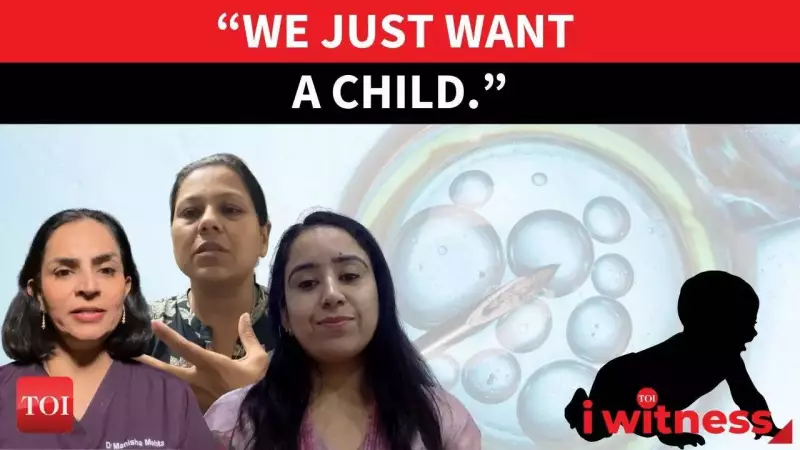
For couples in Haryana struggling with infertility, the in-vitro fertilization (IVF) process has long been an emotionally and financially draining journey. Now, a new state government directive is adding a significant bureaucratic layer to this already challenging path. Couples who already have one or more daughters must secure official government approval before they can begin IVF treatment.
The New Policy: Aims and Immediate Backlash
Announced recently, the policy is officially intended to combat the state's persistently skewed child sex ratio. Authorities in Haryana believe that by regulating IVF for couples with existing female children, they can prevent potential sex-selective practices during the assisted reproduction process. The rule mandates that these couples apply for and receive a green light from designated government authorities, introducing an uncertain waiting period into their family planning.
However, the move has sparked immediate concern among prospective parents, fertility specialists, and social activists. Critics argue that the policy unfairly penalizes couples who already have daughters and are seeking medical help to conceive another child. They fear it will lead to unnecessary delays, increased psychological stress, and added financial strain as couples navigate the new red tape.

Potential Consequences for Hopeful Parents
The practical implications of this rule are profound. IVF treatments are time-sensitive, often aligned with a woman's biological cycle. Any administrative delay could mean missing a crucial window, forcing couples to wait for another month or longer, thereby prolonging their emotional ordeal. Furthermore, the requirement singles out a specific group based on the gender of their existing children, raising ethical questions about discrimination and state overreach in personal reproductive choices.
Fertility clinics in the state are now grappling with the implementation of these guidelines, uncertain about the timeline for approvals and the clarity of the process. This uncertainty translates directly into anxiety for couples who have already invested hope and resources into their IVF journey.
Balancing Social Goals with Individual Rights
While Haryana's concern over its sex ratio is a serious and documented issue, the effectiveness of this particular policy is under intense scrutiny. Experts question whether regulating IVF for couples with daughters is a targeted solution, given that pre-conception sex selection is already illegal under the Pre-Conception and Pre-Natal Diagnostic Techniques (PCPNDT) Act. Many argue that stronger enforcement of existing laws, combined with sustained social campaigns to value the girl child, would be more effective and less intrusive.
The core debate hinges on a critical question: Is this policy a necessary step to protect future daughters, or is it an additional burden on couples already carrying the heavy cross of infertility? As the rule takes effect, its real-world impact on families and the state's demographic goals will become clear, potentially setting a precedent for other regions grappling with similar challenges.