

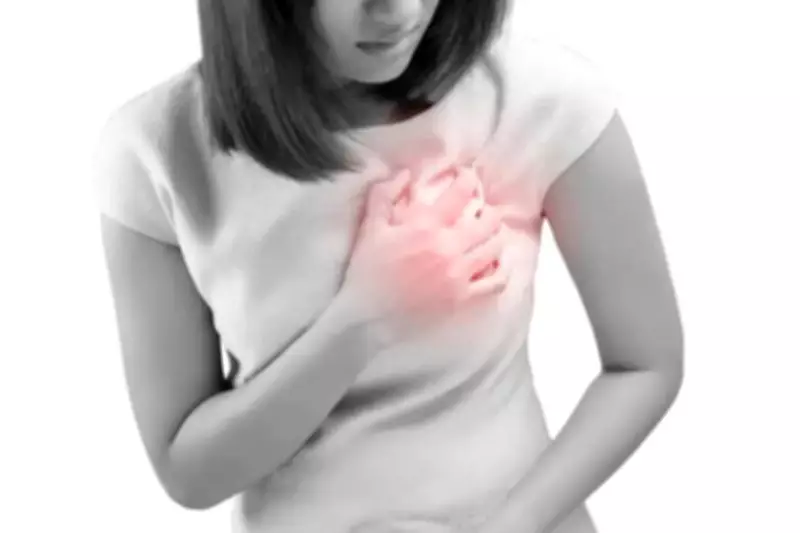
Pune Doctors Raise Alarm Over Gender Bias in Women's Heart Health
In a recent incident in Pune, a 38-year-old woman, identified as Mridula (name changed), visited a doctor's clinic for a routine check-up. To her surprise, a stress test indicated cardiac distress, prompting a recommendation for an angiogram. However, her husband dismissed the results, attributing them to poor eating habits, and left the clinic with Mridula following him. This scenario, according to multiple doctors interviewed, is not uncommon and highlights a critical issue in women's heart health.
Rising Cases Among Younger Women
Dr. Milind Gadkari, head of the cardiology department at KEM Hospital in Pune, shared his observations. "In the first two decades of my career, I saw fewer women with heart-related issues. Now, the situation has changed dramatically," he said. "We now see at least two to three women under 50 each month, some even in their early thirties." This shift underscores a growing trend of cardiovascular problems among younger women, often exacerbated by social biases, especially in rural areas, which delay timely referrals and lead to misdiagnosis.
The Role of Metabolic Syndrome and Microvascular Disease
With non-communicable diseases (NCDs) becoming more prevalent, metabolic syndrome—a cluster of conditions including high blood pressure, high blood sugar, excess abdominal fat, and abnormal cholesterol levels—is contributing to heart disease risks. Women are particularly susceptible to microvascular disease, which affects the smaller blood vessels of the heart and can be missed by standard angiograms. Regular screening, especially for women over 40 or those with existing health conditions, is emphasized as essential.

Gender Disparities in Diagnosis and Treatment
On World Health Day, marked on April 7, Pune doctors highlighted the need for more research and better training to address cardiological issues in women. Cardiologist Dr. Amanpreet Singh Wasir pointed out, "Gender-based differences often lead to delays in diagnosis and treatment. Research indicates that women are less likely to be prescribed evidence-based therapies like statins, aspirin, and blood pressure medications, even with identical risk profiles as men." He added that women are underrepresented in cardiovascular clinical trials, resulting in treatment data primarily derived from male participants.
Initiatives for Awareness and Early Detection
To combat these issues, the Hridayamrit Foundation (HAF), founded by Dr. Wasir, conducted a special inaugural session on women's heart health on March 28. This hybrid event brought together cardiologists and public health experts from India and abroad to discuss the increasing burden of cardiovascular disease among women and the urgent need for stronger awareness and early detection. Heart disease remains the leading cause of death among women globally, yet it is often under-recognized and underdiagnosed.
Expert Insights on Women-Specific Symptoms
Dr. Anu Lala, associate professor of cardiology at Mount Sinai, New York, and founding advisor to HAF, explained, "Women develop heart disease differently. It's not just a smaller version of what men experience." She noted that women are more likely to have microvascular disease, which standard tests can miss, and tend to develop heart disease about a decade later than men, often after menopause. "While men typically show classic symptoms like crushing chest pain, women often experience atypical signs such as shortness of breath, nausea, jaw pain, extreme fatigue, or upper back discomfort, which are frequently mistaken for anxiety or stress," Lala added.

Call for Gender-Sensitive Approaches
Dr. Sujit Sawadatkar, HoD of interventional cardiology at Noble Hospitals and Research Centre, stressed the importance of unlearning biases. "As clinicians, we must actively listen and adopt gender-sensitive diagnostic approaches. Research must prioritize women-specific patterns like microvascular disease. Early screening, especially post-menopause, and equal access to evidence-based therapies are crucial," he said. Dr. Rajendra Patil, consultant cardiologist at Jupiter Hospital, echoed this sentiment, calling for more inclusion of women in clinical trials and better training for doctors to recognize heart disease signs in women. "If we listen to women's symptoms and use appropriate tests, we can save many lives," he concluded.





