

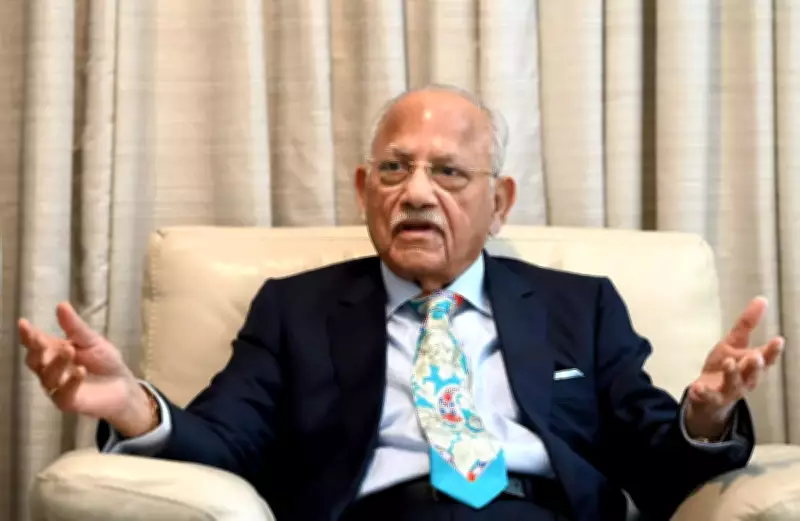
Apollo Hospitals Founder Dr Prathap Reddy at 93: The Visionary Who Transformed Indian Healthcare
As Dr Prathap C Reddy, the pioneering founder and chairman of Apollo Hospitals, celebrates his 93rd birthday this Thursday, his towering presence in Indian healthcare continues to inspire generations. The distinguished cardiologist, who abandoned a flourishing medical practice in the United States decades ago, embarked on a mission that would fundamentally reshape medical infrastructure across the nation.
The Turning Point: A Personal Tragedy That Sparked a Revolution
Dr Reddy's journey took a definitive turn in 1979 when a heartbreaking incident solidified his resolve. A 35-year-old patient tragically passed away because treatment abroad remained financially out of reach. Witnessing the profound grief of the widow and children, Dr Reddy confronted a critical question: "If Indian doctors are saving lives in the United States, why can't we do the same right here at home?" This moment of reflection became the catalyst for what would become India's healthcare revolution.
Building an Empire: From Policy Changes to Nationwide Impact
With unwavering determination, Dr Reddy lobbied the then Prime Minister, Indira Gandhi, successfully advocating for a dramatic reduction in import duties on critical medical equipment—from a staggering 300% to zero. This policy shift, combined with strategic bank financing and accessible construction materials, paved the way for Apollo Chennai. In 1983, India's first corporate multispecialty hospital opened its doors with a groundbreaking commitment: providing free treatment to 25% of its patients.

Dr Reddy's influence extended beyond bricks and mortar, reshaping medical terminology itself. Just hours before Apollo's grand inauguration, he noticed the sign "Casualty" and immediately ordered its removal. "Why would trauma patients want to be wheeled into 'casualties' rooms?" he questioned. Despite staff concerns about public recognition, he insisted on changing it to "Emergency"—a term that has since become the nationwide standard.
The 4Cs Mantra: Clinical Excellence with Compassionate Care
Four decades later, Dr Reddy's foundational philosophy—the 4Cs mantra of clinical excellence, compassionate care, cost-effectiveness, and cutting-edge technology—powers an expansive healthcare empire. Apollo Hospitals now operates approximately 10,000 beds across its network, rivaling prestigious international institutions in complex cardiac procedures, organ transplants, and clinical outcomes, all at a fraction of the cost found in developed nations.
The network continues to innovate, housing Southeast Asia's first proton therapy centre in Chennai, with plans for next-generation upgrades in Mumbai and Delhi. This relentless pursuit of advancement underscores Dr Reddy's commitment to placing India at the forefront of global medical technology.
Future Vision: Medical Tourism and Preventive Healthcare
Looking ahead, Dr Reddy dreams of firmly establishing India on the global healthcare map. He advocates for strategic policy changes, suggesting that implementing visa-on-arrival facilities for citizens of friendly nations could double patient inflows overnight across India's 400-plus hospitals, including Apollo facilities. Such a move would not only boost medical tourism but also generate substantial employment opportunities and help retain skilled medical professionals within the country.
Simultaneously, Dr Reddy emphasizes the crucial importance of preventive healthcare for India's population. He champions the widespread adoption of periodic health checks and health risk evaluations utilizing advanced AI models and genetic testing. "People must not assume they are healthy; they must be told they are healthy," he asserts, highlighting the need for proactive health management.

Walking the Talk: Personal Health Journey and Broader Reforms
Acknowledging that systemic change requires foundational reforms, particularly in health insurance, Dr Reddy practices the principles he advocates. He openly shares his personal health challenges, including a nearly 50-year history with diabetes, hypertension, high cholesterol, and previous issues with weight. Fifteen years ago, he experienced a heart attack, a pivotal moment that reinforced his belief in preventive care.
Through disciplined preventive health checks, early diagnosis, appropriate treatment, a managed diet, and consistent exercise—including a daily 20-minute walk with at least seven minutes of brisk pacing—Dr Reddy has maintained his vitality. He has successfully reduced his weight from nearly 105 kg, losing at least 15 kg, and keeps his blood pressure and sugar levels under control.
"Indians have a genetic predisposition for certain non-communicable diseases, but they can all be brought under control with lifestyle modifications and proper medications," he concludes, offering a message of hope and empowerment for the nation's health future.





