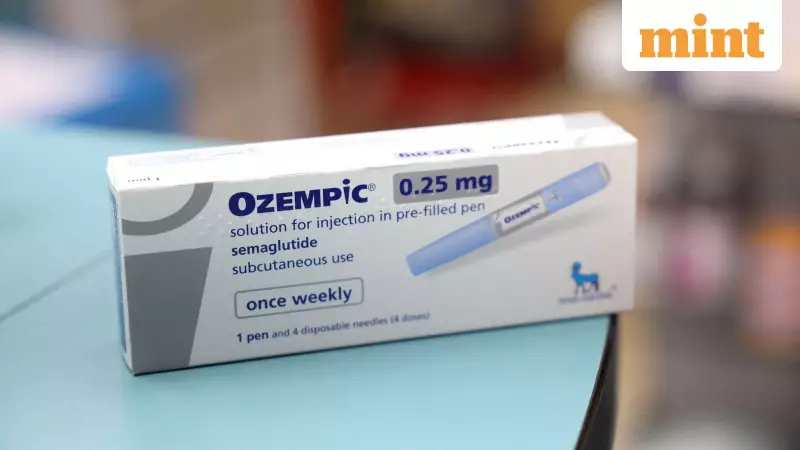
In a landmark decision that reinforces India's stance against unjustified patent extensions, the Delhi High Court has rejected pharmaceutical giant Novo Nordisk's attempt to prolong its exclusive rights over specific formulations of the blockbuster drug semaglutide. This drug is widely known under the brand names Ozempic, for diabetes, and Wegovy, for obesity.
A Precedent Against 'Evergreening'
The court's ruling aligns with a crucial precedent set by the Indian Supreme Court in 2013 in the Novartis Glivec case. In that landmark judgment, the court dismissed the practice of 'evergreening'—where drug companies seek new patents for minor modifications, like improved bioavailability, without demonstrating significantly enhanced therapeutic efficacy. India follows WTO-mandated product patents but has consistently refused to grant extensions on flimsy grounds, a practice more common in the US and EU.
The original molecule of semaglutide lost its patent protection last year. Its specific formulations are now set to go off-patent in March 2026. The court has allowed Indian pharmaceutical company Dr. Reddy's to manufacture and export a generic version to countries where the drug is not patented, while sales within India will remain barred until the patent expiry next year.

The High Stakes of Affordable Medicine
This decision is critical for a price-sensitive market like India. The country cannot afford to let life-saving drugs remain expensive due to repeated patent rollovers. Generic competition is essential to drive down prices and improve access. Permitting an extension for Novo Nordisk's injectables could have set a dangerous precedent, encouraging other pharmaceutical players to use similar tactics to keep vital medicines out of reach for the masses.
The demand for such drugs is already enormous. Eli Lilly's Mounjaro (tirzepatide), another weight-loss and diabetes medication launched in March this year, dethroned the antibiotic Augmentin to become India's top-selling drug by value in just over six months. It reportedly clocked sales of ₹100 crore in October 2024 alone.
The Double-Edged Sword: Treatment vs. Temptation
India's healthcare landscape makes these drugs particularly relevant. The nation is the world's diabetes capital, with an estimated 100 million people suffering from type-2 diabetes and millions more in a pre-diabetic state. Obesity is also a major concern. Drugs like semaglutide and tirzepatide are clinically proven to combat both conditions, which are often linked through metabolic syndrome.
However, beyond genuine clinical need, lies the potential for widespread misuse. These GLP-1 (Glucagon-Like Peptide-1) agonist drugs work by suppressing appetite and increasing satiety. In a culture where fitness is a major lifestyle driver and pharmacies often sell prescription drugs over-the-counter, a significant demand surge could come from individuals seeking quick weight-loss solutions without medical supervision.
Once patents expire and generic versions slash prices, this non-clinical use could skyrocket, bypassing the disciplined balance of diet and exercise. While cheaper generics are a boon for genuine patients who currently find these drugs prohibitively costly, it necessitates stricter enforcement of prescription ('Rx') rules and public awareness campaigns about potential side-effects.
The Delhi High Court's judgment is a victory for affordable healthcare. Yet, it also refocuses attention on the urgent need for robust retail drug regulation and public education to prevent the mass-market misuse of potent pharmaceuticals, ensuring they serve as medicines first, not mere lifestyle shortcuts.