

Chennai Study Exposes Heavy Financial Burden on Women Seeking Outpatient Care
In Chennai's bustling private hospitals, a steady stream of women visits outpatient clinics daily, presenting with diverse health concerns ranging from gynecological issues to cardiac and orthopedic conditions. However, many depart with not only unresolved medical needs but also significantly lighter wallets, highlighting a critical gap in affordable healthcare access.
Research Reveals Alarming Out-of-Pocket Expenditures
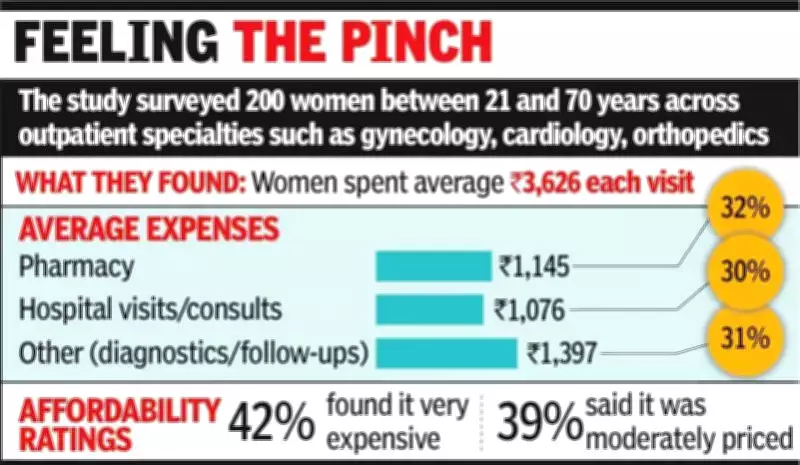
A groundbreaking study published in BMJ Global Health has brought this issue into sharp focus. The research, which surveyed 200 patients in Chennai, found that women navigating private hospital outpatient wards face substantial financial strain. On average, these women spent ₹3,626 monthly on outpatient services from an average income of ₹89,000. This represents a considerable portion of their earnings dedicated to healthcare.
Dinesh Sathasivam, corresponding author from the Faculty of Management Sciences at Sri Ramachandra Institute of Higher Education and Research, emphasized the findings. "Despite India's progress toward universal health coverage, out-of-pocket healthcare expenses remain a significant barrier, particularly for outpatient services," he stated. "The results showed the impact of these expenses on women was substantial."

Policy Recommendations for Affordable Healthcare
The study authors strongly advocate for policy interventions to mitigate this financial burden. They recommend implementing a cap on prices for follow-up consultations and diagnostic scans, alongside measures to reduce out-of-pocket costs. Such steps are crucial for advancing India's goal of achieving universal health coverage by 2030.
According to the research, these policy changes would yield multiple benefits:
- Reducing treatment delays and dropout rates
- Preventing serious health complications through timely care
- Improving overall treatment outcomes for women patients
Addressing Gender Gaps in Healthcare Access
This investigation aligns with two key United Nations Sustainable Development Goals: promoting good health and well-being, and advancing gender equality. By examining how affordable healthcare functions in practice, the study revealed persistent gender gaps in both access and affordability. These findings underscore the urgent need for more equitable healthcare systems that specifically address women's needs.
Mansi Patsariya, the study's first author, noted patient perspectives: "Most women visiting hospitals feel comprehensive insurance coverage for outpatient department services is needed to make healthcare more affordable."
Insurance Limitations and Preventive Care Solutions
The research identified limited insurance coverage for outpatient care as a major obstacle to achieving universal health coverage. This gap leaves many individuals without adequate financial protection for routine medical needs.
Medical professionals emphasize that mandatory annual health checks play a vital role in disease prevention and early detection. Doctors point to international models where patients can opt for co-payment systems to cover outpatient needs, an approach that reduces costs while addressing most health requirements.
In the Indian context, medical associations have urged insurers to offer Equated Monthly Installments (EMIs) for preventive measures such as vaccinations and routine screenings. This financial mechanism could make essential healthcare services more accessible to women across economic strata.
The Chennai study serves as a crucial reminder that achieving universal health coverage requires not just infrastructure development but also financial protection mechanisms that specifically address the needs of vulnerable populations, particularly women seeking outpatient care in urban healthcare settings.






