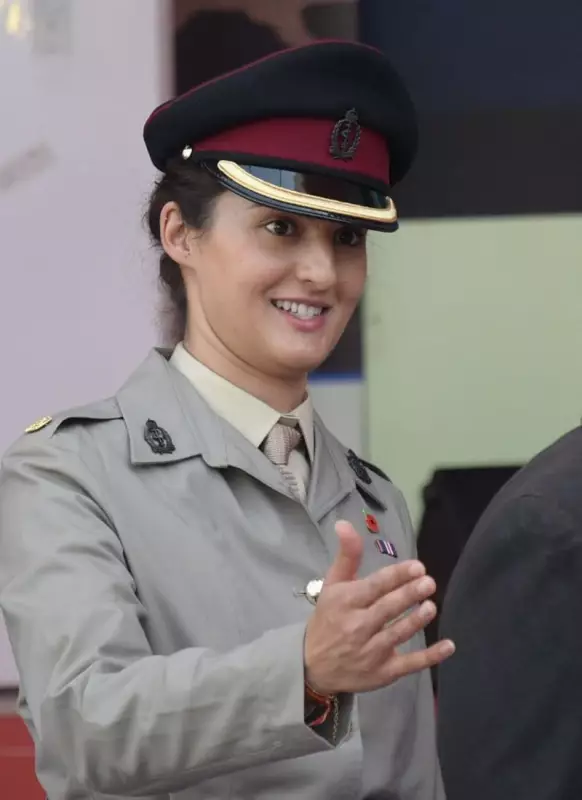
In a remarkable story of cultural and professional exchange, a British Army doctor has returned from Amritsar with more than just medical experience—he carries what he describes as "an Indian heart and an Indian stomach." Captain Ben Foster's recent medical attachment to the Amritsar medical ecosystem has left an indelible mark on his approach to medicine and life.
A Medical and Cultural Immersion
Captain Ben Foster, a general duties medical officer with the Royal Army Medical Corps, recently completed a significant medical attachment in Amritsar. The exchange program saw him working alongside Indian medical professionals, where he gained invaluable insights into both healthcare practices and life philosophy.
The British Army doctor spent his time between various medical facilities in Amritsar, observing and participating in the unique healthcare delivery system of the region. His experience wasn't limited to hospital walls—it extended to understanding the cultural context that shapes Indian medical practices and patient care.

Embracing Indian Values and Cuisine
Captain Foster's transformation went beyond professional development. He enthusiastically embraced Indian culture, particularly the culinary traditions that define the Amritsari experience. He developed a particular fondness for authentic Punjabi cuisine, claiming to have acquired "an Indian stomach" through his gastronomic adventures.
More importantly, the British officer spoke about developing "an Indian heart"—adopting the warmth, compassion, and community-oriented approach he observed in his Indian colleagues. This emotional connection has fundamentally changed his perspective on patient care and medical practice.
Lessons for Life and Medicine
The exchange program provided Captain Foster with profound insights that extend beyond technical medical knowledge. He learned about resilience, adaptability, and the importance of human connection in healthcare—values that are deeply embedded in Indian medical culture.
His experience highlights the mutual benefits of international medical exchanges. While Indian medical professionals gained exposure to British military medical protocols, Captain Foster acquired timeless wisdom about practicing medicine with compassion and cultural sensitivity.
The British Army officer's journey demonstrates how cultural exchange can transform professional practice. His adoption of Indian approaches to patient care and community medicine serves as a powerful example of how cross-cultural learning enriches medical professionals on both sides of the exchange.
This successful medical attachment between British and Indian healthcare professionals underscores the importance of such programs in fostering international cooperation and improving global healthcare standards. Captain Foster's experience proves that sometimes the most valuable medical lessons are learned outside the textbook, in the hearts and kitchens of another culture.