

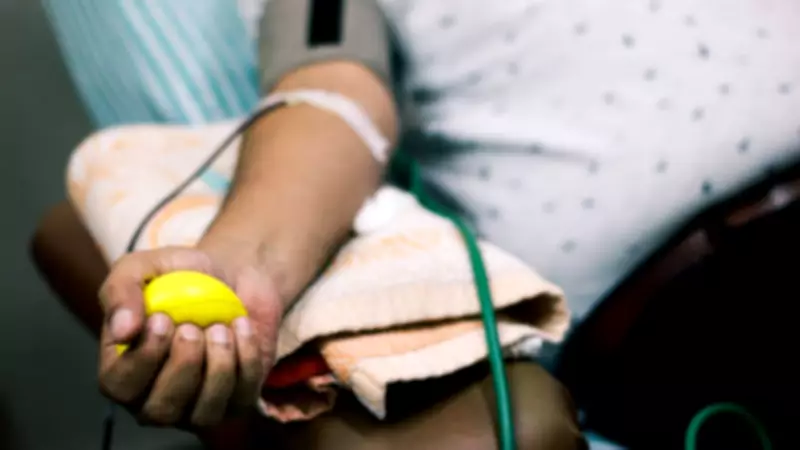
For many people, the idea of donating blood is inspiring right up until the moment they are standing at the door of the donation centre. That is where doubt tends to creep in. Is it safe? What if the body cannot handle it? What if something goes wrong? These are completely normal things to wonder about. The instinct to protect the body is deeply wired into us. But when blood donation is looked at through the lens of actual physiology rather than workplace rumours or things read online, most of that fear does not hold up.
The system is built around protecting the donor
One of the most important things to understand is that the entire medical protocol around blood donation is designed with the donor's safety as the priority. There is a common misconception that blood donation centres will take blood from anyone who walks in simply because it is needed. That is not how it works. Before anything else happens, a healthcare professional checks vitals, assesses the pulse, and takes a small blood sample to confirm that the individual has an adequate and healthy blood reserve. If iron or haemoglobin levels are even slightly below the acceptable range, the donor is advised to return at a later date. That is not a rejection; it is the safety system functioning exactly as it is intended to.
What the body does after donation
Much of the anxiety surrounding blood donation stems from the fear of long-term depletion—the concern that something permanent is being taken away. In reality, the process is quite different. When a person donates, they give about one pint of blood, which is only about 8 to 10% of the body's total blood volume. The body quickly recognizes this change and begins the recovery process almost immediately.

The fluid volume lost during donation is typically replaced within 24 to 48 hours. Meanwhile, stem cells in the bone marrow receive signals to increase red blood cell production. Within a few weeks, a completely new supply of red blood cells is produced to replace those that were donated. Because of this natural recovery process, healthy individuals can donate multiple times a year without experiencing any adverse effects. There is no significant decline in immunity, no reduction in energy levels, and no lasting impact on physical strength. To allow sufficient time for the body to replenish its red blood cells and iron stores, men should wait at least 90 days between blood donations, while women should wait at least 120 days between donations.
Why it matters
Blood is not something that can be manufactured or replicated anywhere in the world. It is a living tissue that can only be donated by one human being and transfused to another. Every needle, tube, and collection bag used in the donation process is designed for single use, eliminating any risk of cross contamination for the donor.
The hesitation that many people feel before donating is understandable, but it is largely built on myths rather than medical reality. The human body is designed to give, designed to recover, and entirely capable of changing someone else's life in less than fifteen minutes.
Dr. Sheenam Thakkar, Consultant, Transfusion Medicine, Kokilaben Dhirubhai Ambani Hospital, Mumbai






