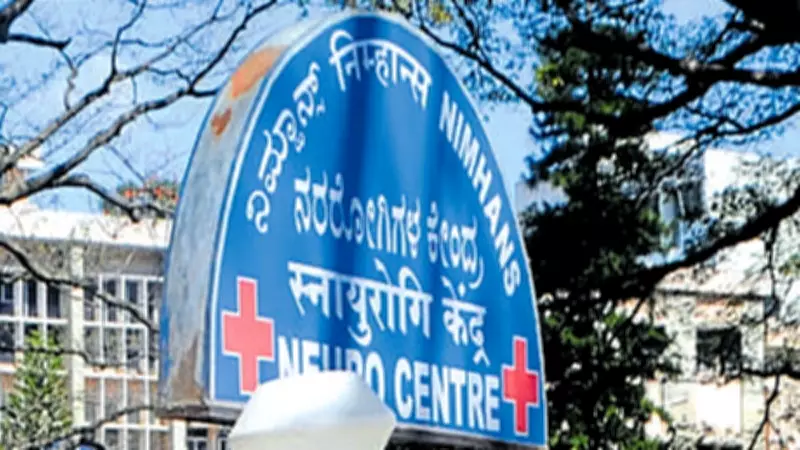
In a significant step towards enhancing mental health crisis intervention, the Bengaluru Police helpline has been officially integrated with the Tele Manas service operated by the National Institute of Mental Health and Neurosciences (Nimhans). This collaboration aims to provide immediate and specialized psychiatric support during emergencies, ensuring that individuals in distress receive timely assistance from trained professionals.
Formal Launch and Key Attendees
The integration was formally launched in a ceremony that highlighted the commitment of both institutions to public welfare. The event was graced by the presence of Bengaluru Police Commissioner Seemant Kumar Singh and Nimhans Director Dr Pratima Murthy, who emphasized the importance of this partnership in addressing mental health challenges in the city.
How the Integration Works
Under this new system, when a psychiatric emergency is reported through the Bengaluru Police helpline, the call can now be seamlessly transferred to the Tele Manas platform. This allows for direct access to mental health experts from Nimhans, who can provide counseling, crisis management, and guidance on further steps, such as referrals to nearby healthcare facilities if needed.

Benefits for the Community
This integration is expected to bring several key benefits:
- Faster Response Times: By connecting police responders with psychiatric professionals in real-time, it reduces delays in handling mental health crises.
- Improved Outcomes: Access to expert advice can help de-escalate situations and provide appropriate care, potentially saving lives.
- Enhanced Training: Police personnel may receive better guidance on dealing with mental health issues, fostering a more compassionate approach.
- Increased Awareness: This initiative highlights the growing recognition of mental health as a critical public health concern in urban areas like Bengaluru.
The launch of this integrated service marks a proactive move by the Bengaluru Police and Nimhans to bridge gaps in emergency mental healthcare. It reflects a broader trend towards leveraging technology and inter-agency cooperation to address societal needs, particularly in fast-growing metropolitan regions where stress and mental health issues are on the rise.