Navigating the Challenges of Night Driving: A Comprehensive Safety Guide
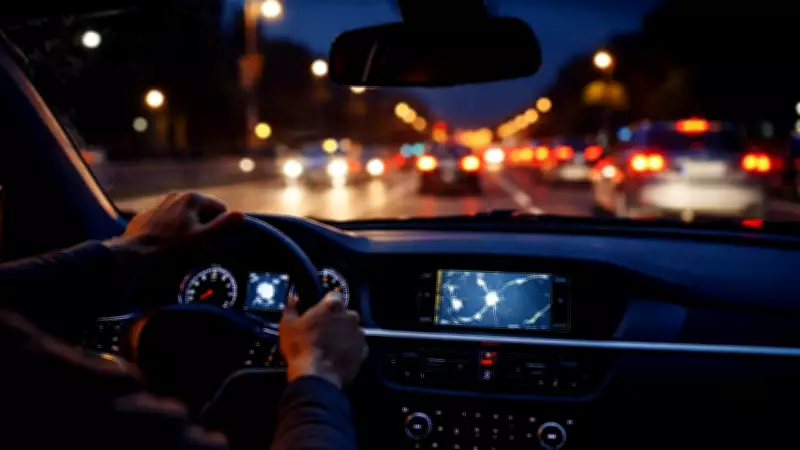
Operating a vehicle after sunset introduces a distinct set of difficulties that demand heightened awareness and preparation. The absence of natural daylight significantly compromises a driver's field of vision, while the body's inherent circadian rhythms promote drowsiness. These factors, combined with potential road hazards, create a demanding environment that requires a proactive and adjusted approach to ensure a safe journey.
The Critical Issue of Reduced Visibility
Limited natural light is the foremost obstacle during nocturnal travel. This impairment affects depth perception and makes it challenging to identify road markings, sharp turns, and unexpected obstacles, particularly on stretches with inadequate street lighting. To counter this, ensuring your vehicle's lighting system is in optimal condition is non-negotiable. Headlights must be clean, correctly aligned, and fully functional. While high beams can illuminate dark, open roads, they must be promptly dimmed for oncoming traffic to prevent blinding other drivers. Regularly cleaning the windshield, side mirrors, and headlamp lenses is a simple yet effective practice to maintain a clear line of sight.
Combating Driver Fatigue on Long Journeys
Fatigue represents a major, often insidious, risk factor for night drivers. The human body is naturally programmed to rest during nighttime hours, increasing the propensity for drowsiness, which can creep in gradually during extended drives. Embarking on a trip late in the day after a full schedule compounds this danger. It is crucial to recognize early warning signs like frequent yawning, heavy eyelids, or wandering concentration. Proactively scheduling breaks every two hours, even for a short stretch or a breath of fresh air, is essential to sustain alertness. Ignoring these signals is unsafe; pulling over in a secure location to rest is always the wiser choice.

The Non-Negotiable Importance of Prior Rest
Adequate sleep before a night drive is foundational for sharp concentration and swift reaction times. While caffeine might provide a temporary boost in alertness, it is a poor substitute for genuine, restorative sleep. If fatigue begins to set in during the drive, a brief, 20-minute nap or a complete stop is far more effective and safer than relying on stimulants. Integrating planned rest periods into your travel itinerary is a key strategy for mitigating fatigue-related risks.
Managing Glare from Oncoming Traffic
Glare from the headlights of approaching vehicles, especially on undivided roads, can severely disrupt vision. This effect is exacerbated by high-intensity discharge (HID) or misaligned lights. To minimize this disturbance, avoid looking directly at the light source. Instead, train your focus on the right-hand edge of your lane or the roadside to maintain your trajectory. A spotlessly clean windshield helps diffuse glare, and engaging the night mode on your rear-view mirror will reduce the distraction from bright lights following behind you.
Adapting Speed and Following Distance
Maintaining a controlled, steady speed is paramount at night. Reduced visibility directly translates to longer reaction times. A moderate, consistent pace enhances vehicle control and overall safety. It is equally important to increase the following distance from the vehicle ahead. Judging gaps and relative speed becomes more difficult in low light, so a larger buffer zone allows precious extra seconds to respond safely to sudden stops or maneuvers.
Staying Vigilant for Road Hazards
Pedestrians, cyclists, and stray animals are considerably harder to detect at night, especially in poorly lit urban areas or on rural routes. These hazards can emerge suddenly from the shadows, requiring immediate and precise reactions. Drivers must maintain intense focus, continuously scanning the road ahead and to the sides, with particular caution on highways and country roads where lighting is often minimal or nonexistent.

Minimizing In-Car Distractions
A distraction-free cabin is vital for maintaining focus during night driving. Overly bright dashboard instrument lighting can impair night vision and should be dimmed to a comfortable, readable level. Activities like engaging with a mobile phone, listening to loud music, or participating in intense conversations can significantly divert attention. Cultivating a calm, controlled environment inside the vehicle supports sustained concentration on the road.
Driving in Adverse Weather Conditions at Night
Inclement weather such as rain, fog, or dust storms dramatically worsens nighttime driving conditions. These elements further reduce visibility and increase the vehicle's stopping distance. Wet roads can create blinding reflections from other vehicles' lights. In such scenarios, using fog lamps appropriately, reducing speed substantially, and doubling the usual following distance are critical safety measures. Smooth, gentle inputs for steering, braking, and acceleration help maintain better control of the vehicle.
By understanding these challenges and implementing these strategic adjustments—prioritizing rest, optimizing visibility, managing speed and distance, and eliminating distractions—drivers can significantly enhance their safety and confidence when navigating the roads after dark.