Staying committed to fitness as we grow older presents unique challenges, with cold weather often acting as a major deterrent. The temptation to skip a workout becomes stronger on chilly mornings, especially for individuals navigating their 40s, 50s, and 60s. However, fitness icon Milind Soman recently demonstrated that age and freezing temperatures need not be barriers, sparking a vital conversation on sustainable fitness practices for mature adults.
Milind Soman's Chilly Vienna Fitness Challenge
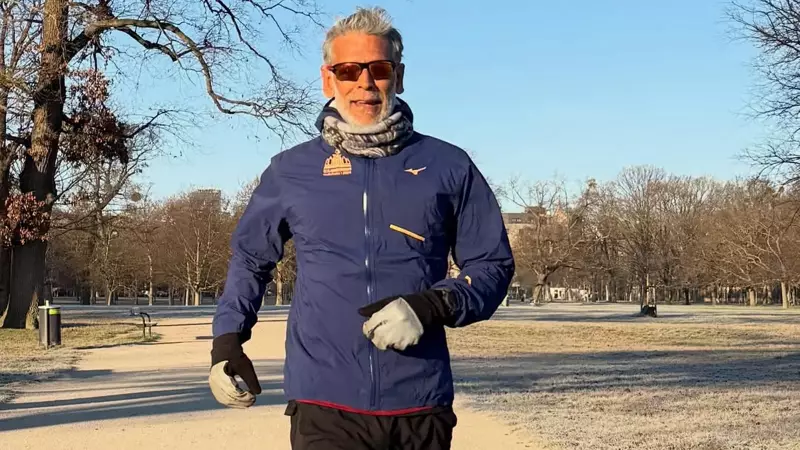
On January 1, 2026, Milind Soman took to Instagram to share his intense outdoor training regimen from Vienna. The actor-model, known for his disciplined fitness philosophy, posted visuals of himself performing pull-ups in a park and running, all while the mercury dipped to a frigid -2 degrees Celsius. His caption radiated enthusiasm: "In the park! The weather is amazing, -2°C, and such beautiful parks to run in Vienna. Happy holidays, everyone! My last long run starts tomorrow, covering around 120km from Vienna to Györ. Fun! Fun! Fun!"
This post swiftly moved beyond mere inspiration, prompting serious questions about the safety and practicality of such cold weather exercise for the general population, particularly those in their later decades.

Is Cold-Weather Exercise Safe After 40? Expert Weighs In
To address these concerns, we spoke with Sadhna Singh, a senior fitness and lifestyle consultant at HereNow Official. Singh clarified that exercising outdoors in the cold can be both safe and beneficial for people in their late 40s and beyond, but it mandates careful preparation and heightened self-awareness.
"Cold exposure places additional demand on the cardiovascular system," Singh explained, emphasising that individuals with pre-existing heart, respiratory, or joint conditions must be especially cautious.
She outlined key safety protocols for older adults braving the cold:
- Extended Warm-Up: A longer warm-up is crucial to gradually raise core body temperature and improve joint mobility before starting the main activity.
- Layered Clothing: Wear layers that provide insulation without restricting movement. Protecting extremities like hands, ears, and feet is critical to prevent frostbite and maintain overall warmth.
- Listen to Your Body: It is essential to adjust the workout intensity based on physical feedback rather than pushing through discomfort, as cold muscles are more prone to strains and injuries.
The Power of Consistency: Short Workouts, Long-Term Gains
Beyond the weather-specific advice, Singh highlighted a cornerstone principle for ageing well: consistency over intensity. She advocates for the profound impact of short, daily workouts.
"Even 15 to 20 minutes of focused movement can preserve muscle mass, maintain joint health, and support cardiovascular endurance if the exercises are well-chosen," Singh stated. The body responds more positively to regular stimulus than to sporadic, intense sessions.
The cumulative effect of this daily practice is powerful. Over years, it helps slow age-related muscle loss, improves metabolic health, and builds functional strength that supports everyday activities. Furthermore, this routine keeps the nervous system active and coordination sharp.
The Non-Negotiables: Sleep, Hydration, and Mental Calm
Singh strongly emphasised that exercise is only one pillar of sustainable fitness, especially as we age. Recovery and internal balance are equally vital.
Sleep is foundational, as it is the period when muscle repair, hormonal regulation, and nervous system recovery occur. Hydration supports joint lubrication, circulation, and temperature regulation—functions that become increasingly important with age.
Perhaps surprisingly, mental calm plays a powerful role. Chronic stress elevates cortisol levels, which can accelerate muscle loss, disrupt sleep, and increase inflammation. "Together, sleep, hydration, and mental well-being amplify the benefits of exercise," Singh notes, adding that neglecting them can blunt progress or lead to burnout and injury.

In conclusion, Milind Soman's winter feat is a reminder that fitness is adaptable. For those in their 40s, 50s, and beyond, the path to long-term health isn't about extreme conditions but about intelligent preparation, consistent effort, and a holistic focus on well-being. As always, consulting a health practitioner before starting any new routine is recommended.