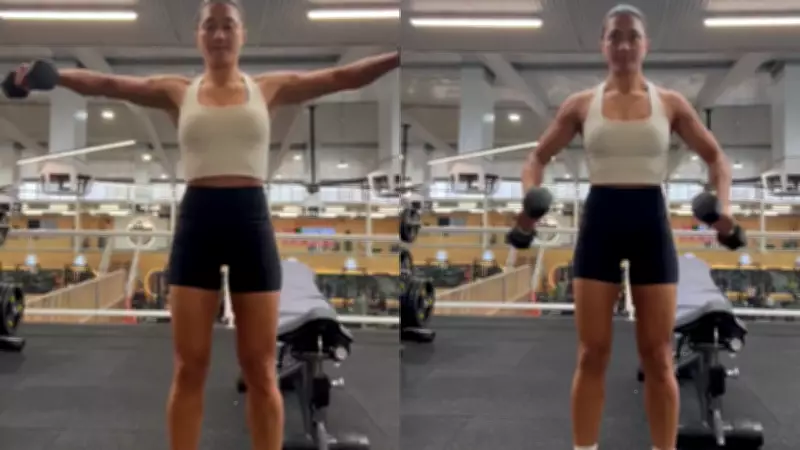
Australian fitness coach Hannah has challenged conventional diet wisdom by revealing that her approach to fat loss involves eating more, not less. She emphasizes consuming the right foods to fuel the body, contradicting the traditional restriction-based model.
The Optimization Mindset
Hannah's framework centers on optimization rather than deprivation. This shift in thinking transforms how one approaches eating. In restriction mode, the body fights back with hunger, fatigue, and misery, leading to eventual bingeing and guilt. Extreme diets fail because they are biologically unsustainable. Optimization, on the other hand, involves creating a calorie deficit intelligently by eating foods that fuel the body, satisfy hunger, and support performance, building a system that works long-term.
What to Eat for Fat Loss
Hannah breaks down nutrition into specific categories:

- Lean protein: Chicken, fish, eggs, Greek yogurt keep you full and preserve muscle during fat loss.
- Vegetables: High volume with minimal calories; a large plate of broccoli, spinach, and peppers has fewer calories than a snack bar.
- Complex carbs: Timed around training to provide energy for workouts.
- Healthy fats: Controlled portions are essential for hormone function.
Results from Eating More
Hannah shared her personal experience: "When I stopped restricting and started optimising: Lost body fat I previously couldn't shift. Gained strength I hadn't had before. Energy came back. Performance improved." She lost fat while eating more and getting stronger, demonstrating that working with the body rather than against it leads to better outcomes. Metabolism remains active, muscles have energy, and the brain functions properly without depletion.
Debunking the 1,200-Calorie Myth
Hannah calls out the outdated 1,200-calorie model, which was designed for sedentary people in the 1960s. She asserts that high performers need a nutrition framework built for performance, not punishment. This means eating enough to support workouts, maintain energy, and feel good, rather than eating the minimum and hoping for results.
Why Optimization Is Sustainable
Optimization works long-term because it is sustainable. It involves eating real food that tastes good and makes you feel good, getting stronger, losing fat, and living life without deprivation. In contrast, extreme restriction leads to rapid weight loss followed by regain due to unsustainability. Hannah's final message is simple: "Simple. Effective. That's what actually works. Once you nail it the results come."
This approach is not a secret formula but a nutrition system that works with the body, fueling performance instead of punishing appearance. For those stuck on restriction, adopting a framework that supports actual life, training, and goals is the missing piece.
About the Author: The TOI Lifestyle Desk is a dynamic team of dedicated journalists who curate a vibrant tapestry of lifestyle news for The Times of India readers, covering fashion, travel, culinary delights, and wellness tips.