World Autism Awareness Day: A Global Call for Understanding and Acceptance
Observed annually on April 2, World Autism Awareness Day serves as a vital platform to promote understanding, acceptance, and celebration of the unique strengths of individuals on the autism spectrum. This day reinforces the message that every person is distinct, with their own abilities and challenges, and encourages society to embrace neurodiversity. In line with this mission, a visit to Manovikas Kendra—an institute dedicated to empowering neurodivergent children through comprehensive rehabilitation, inclusive education, and vocational training—highlights the transformative impact of dedicated support systems.
Early Recognition and the Crucial Role of Parents
Special educators and mothers at the institute emphasize the realities of raising a child with Autism Spectrum Disorder (ASD), underscoring the importance of structured therapies in enhancing communication, social interaction, daily living skills, and managing behavioral challenges. Early signs of autism, such as delayed speech, fleeting eye contact, and missed developmental milestones, often serve as initial indicators, yet hesitation can delay access to crucial support. While children spend limited hours in educational settings, parents remain constant figures in their lives, making their role foundational to progress.
Mahuya Chakraborty, a parent advocate, stresses that timely action and understanding can open pathways for communication, learning, and independence. She notes, "Early intervention is not just about therapy; it's about creating an environment where every child can thrive according to their unique pace and abilities."

From Student to Mentor: A Journey of Resilience
Subhajit Nag's inspiring journey from a student at Manovikas Kendra to an assistant game teacher exemplifies resilience and purpose. As a specially abled individual, he discovered his passion for sports early on and went on to compete at state, national, and international levels. His achievements include winning gold medals in Table Tennis Men’s Doubles and Mixed Doubles at the 2011 Special Olympics in Athens. Today, as a mentor, he supports other children, sharing that this role has significantly boosted his confidence.
"I try to be patient and friendly. When they feel scared, I stay with them, and when they feel happy, I clap for them," Subhajit says. He adds that even small achievements, such as a child mastering a new skill or expressing joy, fill him with immense pride and reinforce the value of his work.
Guiding Every Step: The Institute's Holistic Approach
At Manovikas Kendra, early intervention and family support form the cornerstone of helping children with autism thrive. Prof Anuradha Lohia, chairperson of the institute, explains, "An autism diagnosis can feel overwhelming for parents, but it is also the first step towards truly understanding their child. Here, we have seen that with early, evidence-based therapy, children begin to communicate, connect, and engage with the world in their own unique ways."
She emphasizes that therapy is not about changing who the child is but about building pathways that help them flourish. For families, even the smallest milestones—a word, a gesture, or a shared moment—can be life-changing, and the institute commits to walking this journey with them every step of the way.
A Journey of Acceptance and Strength: Parental Perspectives
The focus at Manovikas Kendra extends beyond care to fostering inclusion and breaking stigma. Anjana Chatterjee, mother of 15-year-old Chirayu, who was diagnosed with autism at age two, notes that autism involves challenges in communication and behavior. She believes early diagnosis can significantly improve a child's quality of life. While her son has made progress through various therapies, speech remains a challenge, and she highlights that raising a special child requires immense patience and emotional balance.
Payel RoyChowdhury, mother of 18-year-old Ronit, recalls, "Apart from speech delay, there were no clear signs at first, and his autism diagnosis at two was not easy to accept." In 2018, Ronit was admitted to the institute for specialized guidance and now undergoes a range of therapies aimed at enhancing his quality of life and overall development.

Creative Learning and the Path Forward
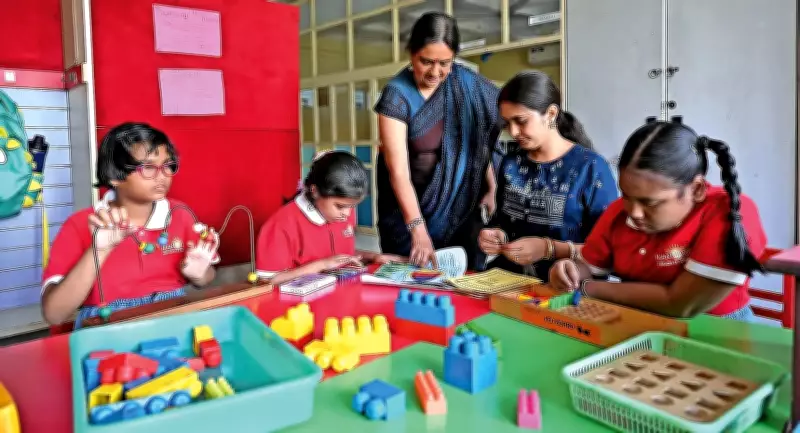
Gita Basu, a special educator at the institute, reflects, "Being a parent of a child with ASD is a journey not everyone understands. It demands patience, empathy, and the strength to support their unique needs, even on overwhelming days." Students engage in creative learning activities, such as no-fire cooking classes, which foster skills and confidence in a supportive environment.
On World Autism Awareness Day, Amita Prasad, director of the institute, calls for collective action, stating, "We celebrate the individuality of people with autism. Let us all build a more inclusive, compassionate world for all." This day serves as a reminder to continue advocating for policies and practices that empower neurodivergent individuals and their families.