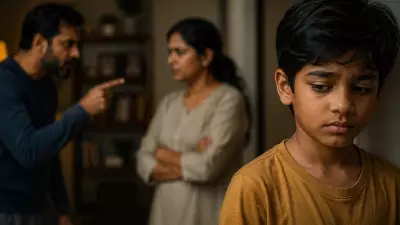
Women Fight Chitta: The Anti-Drug Battle Begins at Home
In Punjab, a quiet revolution is underway as women take the lead in the fight against drug abuse, particularly the synthetic drug known as 'chitta'. This highly addictive substance has ravaged communities, but mothers, wives, and sisters are now at the forefront of a grassroots movement to reclaim their homes and neighborhoods.
The Rise of Chitta
Chitta, a cheap and potent synthetic drug, has become a scourge in Punjab, affecting youth across socio-economic backgrounds. Its easy availability and devastating effects have prompted a crisis that the government alone cannot solve. Recognizing this, women have stepped up, organizing awareness campaigns and support groups.
These women are not just activists; they are the first line of defense. Many have witnessed the destruction firsthand—sons lost to addiction, families torn apart. Their approach is twofold: prevention and rehabilitation. They educate young people about the dangers of drugs and provide a safety net for those seeking recovery.

Community-Led Initiatives
In villages and cities, women-led groups conduct door-to-door campaigns, hold meetings in community centers, and use social media to spread their message. They work closely with local police and health officials to ensure that addicts receive medical help rather than punishment. The emphasis is on compassion, not stigma.
One such initiative is the 'Mata Sahib Kaur' group in Amritsar, which has successfully persuaded dozens of youth to quit drugs. The group's leader, a mother of a former addict, says, "We cannot wait for the government. The change must start at home."
Challenges and Hope
The battle is not without challenges. Women face resistance from those who profit from the drug trade, and sometimes from their own families who fear social ostracism. Yet, their resolve remains unshaken. They believe that by targeting the home environment, they can break the cycle of addiction.
Experts applaud these efforts. Dr. Harpreet Singh, a psychiatrist specializing in addiction, notes, "Women are the backbone of society. When they take a stand, the impact is profound. Their involvement is crucial for long-term change."
The movement is slowly gaining traction. More women are joining, and the message is spreading: the fight against drugs begins at home. As one activist put it, "If we can save our children, we can save our future."