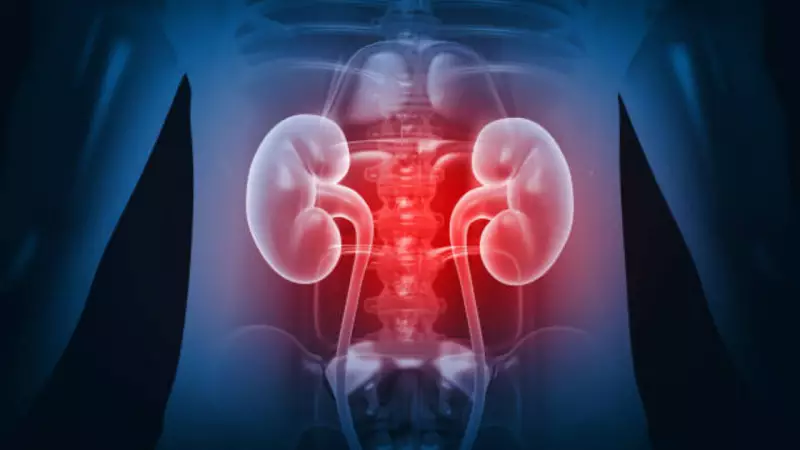
As the winter chill sets in, our bodies face unique challenges, and our vital organs, particularly the kidneys, come under increased stress. These hardworking filters of our bloodstream, which quietly balance fluids and remove waste, become more vulnerable during the colder months. For individuals with existing kidney conditions or weakened immunity, common winter infections can quickly escalate into serious, sometimes permanent, kidney damage.
Why Winter Poses a Serious Threat to Kidney Function
Health experts warn that the cold season brings a triple threat to renal health: dehydration, sluggish circulation, and a higher burden of infections. Dr Aditya Nayak, Consultant Nephrologist at Zen Multispeciality Hospital in Mumbai's Chembur, explains the core issue. "People often drink less water and stay indoors longer in winter, which can lead to urinary tract infections (UTIs) or worsen existing kidney problems," he states. The body's immune response also slows down, impairing its ability to fight off bacteria and viruses.
This seasonal danger is backed by research. A 2023 study published in BMC Nephrology found that weekly admissions for acute kidney injury (AKI) peak during winter. The study suggests community triggers like infections or environmental exposures contribute to this spike. AKI is a sudden decline in kidney function that can be triggered by UTIs, pneumonia, dehydration, or reduced blood flow.

The Science Behind Cold Weather and Kidney Stress
The physiological impact of cold is a key factor. Colder temperatures cause blood vessels to narrow, a process known as vasoconstriction. This reduces blood flow to the kidneys, a condition medically termed reduced renal perfusion. For people whose kidney filtration is already compromised, this extra strain can be particularly dangerous. The kidneys must work harder with less blood flow, significantly escalating the risk of injury.
This link is confirmed by research. A study in Environmental Health Perspectives found that cold temperatures are associated with an increased risk of mortality from renal diseases, including both acute kidney failure and chronic conditions, likely due to this vasoconstriction.
Furthermore, infections common in winter can directly attack kidney tissue. A 2015 study in PLOS ONE revealed that upper urinary tract infections are associated with a significantly higher risk of acute kidney injury. If a UTI spreads to the kidneys (pyelonephritis) and is left untreated, it can precipitate rapid kidney decline, especially in those with chronic kidney disease.
Expert-Recommended Strategies for Winter Kidney Care
Dr Nayak emphasizes that prevention and vigilance are crucial. He provides the following actionable tips to safeguard kidney health during the winter months:
1. Prioritize Hydration: Consciously maintain adequate water intake to counter winter dehydration, a major contributor to UTIs.
2. Dress for Warmth and Circulation: Wear layered clothing to protect your body from the cold and maintain good blood flow.
3. Boost Your Immunity with Diet: Consult your doctor or a nutritionist for a kidney-friendly diet. Include fresh fruits, vegetables, and foods rich in vitamin C to support your immune system.
4. Maintain Rigorous Hygiene: Practice good personal hygiene and do not delay emptying your bladder, as this helps flush out potential bacteria.
5. Monitor Vital Parameters Closely: Individuals with kidney disease should check their blood pressure, urine output, and follow up on blood tests more frequently in winter.
6. Seek Immediate Medical Attention for Symptoms: If you experience pain or burning during urination, fever, urgency, or pain below the navel, consult a doctor without delay.
7. Consider Vaccination: Dr Nayak strongly advises, "All individuals with existing kidney disease and those above 65 should be vaccinated against bacteria and viruses that cause lung infections. Vaccination can reduce the severity of illness, preventing vital organ damage."
8. Complete Prescribed Medications: If prescribed antibiotics, finish the entire course to prevent infection recurrence and complications.

9. Manage Underlying Conditions: It is imperative to diligently monitor and control blood pressure and blood sugar levels, taking medications as directed by your healthcare provider.
Final Word: Awareness is Key
Winter does more than just chill the air; it alters our internal circulation, immunity, and fluid balance, creating a perfect storm for kidney susceptibility. Dr Aditya Nayak concludes with a vital message: "Winter infections can seriously affect people with kidney disease, but with awareness, timely care, and healthy habits, they can be prevented and managed effectively. Don’t delay treatment in case of symptoms that persist."
Disclaimer: The information in this article is for educational purposes only and is not a substitute for professional medical advice. Always consult a qualified healthcare professional for diagnosis, treatment, and before making any changes to your health regimen.