Weight Loss Jab Animal Testing Exposed: UK Lab Images Reveal Cruel Reality
Weight loss injections have surged in global popularity over recent years, offering many individuals a path to their desired physique and appearance. However, the development of these pharmaceutical marvels comes at a devastating cost to laboratory animals subjected to painful and prolonged testing procedures.
Shocking Laboratory Images Go Viral
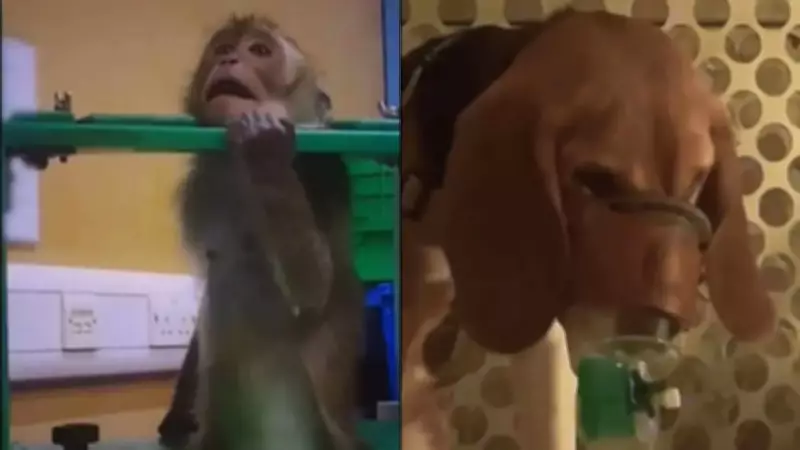
Disturbing photographs from United Kingdom facilities where weight loss medications undergo testing have circulated widely online, exposing the harsh realities of animal experimentation behind modern medicine. A laboratory employee from two weight-loss drug testing plants recently provided these images to DailyMailUK, expressing horror at the "immense distress" endured by animals during trials.
The worker described being "haunted" by the shrieks and whimpers of animals during testing procedures that could extend for up to two years. While restrained long-tailed macaques received anti-obesity medications through stomach tubes, other species including beagles, pigs, and rabbits experienced what the source termed "extreme suffering" during trials for various pharmaceuticals before they reach consumer markets.

Widespread Animal Testing Beyond Weight Loss Drugs
These testing protocols extend far beyond weight management medications to include common pharmaceuticals such as headache tablets, cholesterol medications, reflux treatments, antihistamines, antibiotics, and antidepressants. The laboratory worker disclosed that all animals surviving these experiments are ultimately euthanized, with their bodies dissected for further scientific examination.
The individual shared these troubling images to stimulate informed public discussion about animal testing practices, stating that the visual evidence reveals not isolated incidents but systematic procedures involving weeks or months of repeated dosing, restraint, and confinement for laboratory animals.
Public Outrage and Industry Defense
Social media platforms erupted with condemnation as users viewed the images, with many criticizing the pharmaceutical industry for animal cruelty and attributing such testing to human vanity. One X user commented, "The fear, you can see the pure fear in this poor creature's eyes. This is a glimpse into hell, the hell created by us."
Another respondent declared, "This is disgusting animal abuse. Very few people should even need weight loss jabs," while a third asserted, "horrible, this is not science, it's cruelty and abuse."
However, animal advocacy organizations note that while "extreme suffering" incidents occur, they remain relatively rare, and animal trials remain crucial for developing life-saving medications and ensuring drug safety for human consumption.
Common Animal Testing Methods Revealed
Laboratory animals undergo various testing procedures to determine drug safety margins, compound distribution within biological systems, and medication effects on organs. The most prevalent method involves "oral gavage," where restrained animals receive substances through rubber tubes inserted down their throats into their stomachs.
This technique applies to long-tailed macaques tested for liver disease and weight-loss medications, and beagles evaluated for anti-inflammatory drugs. Another approach involves strapping masks to beagles and monkeys for inhalation of trial substances, with monkeys restrained using neck and waist vices during these procedures.
Miniature pigs undergo testing for ulcer and skin infection medications through treatments involving eight incisions on their backs with daily gel applications. Intravenous testing also occurs, where restrained animals receive test compounds through direct bloodstream injections.
Regulatory Shifts Toward Alternative Testing
This laboratory worker's revelations follow recent guidance from the United States Food and Drug Administration encouraging pharmaceutical developers to create alternatives to animal testing for product trials. The American regulator advocates transitioning to "human-centric models" that can "more reliably, efficiently and ethically predict human drug reactions prior to clinical trials."

In 2025, the FDA stated that animals "do not" provide adequate models for human health and disease, noting that "over 90 percent of drugs that appear safe and effective in animals do not go on to receive FDA approval in humans, predominantly due to safety and or efficacy issues."
Despite these evolving perspectives, animal welfare advocates emphasize that the suffering experienced by laboratory animals remains unjustified regardless of testing objectives or outcomes. Lyn White, director of Animals International, who collaborated with the laboratory worker to highlight these issues, emphasized that animal distress during testing represents not momentary discomfort but prolonged, cumulative suffering that demands urgent ethical reconsideration.