Ultraprocessed Foods Pose Significant Long-Term Heart Disease Risk, Study Finds
Packaged snacks, sugary cereals, and ready-to-eat meals are widely recognized as unhealthy options, but a groundbreaking new study published in the Journal of the American College of Cardiology reveals that their impact on heart health is far more severe and enduring than previously understood. The research highlights a direct correlation between ultraprocessed food consumption and a dramatically increased risk of serious cardiovascular problems, underscoring the long-term consequences of dietary habits.
Study Details and Key Findings on Heart Disease Risk
The study followed over 6,800 adults in the United States for several years as part of the Multi-Ethnic Study of Atherosclerosis (MESA). All participants were free of heart disease at the outset, allowing researchers to track how eating patterns influenced health outcomes over time. The results showed a clear and alarming pattern: the more ultraprocessed foods individuals consumed, the higher their risk of developing atherosclerotic cardiovascular disease, which involves conditions linked to clogged arteries.
Even minor increases in ultraprocessed food intake had measurable effects. For every additional daily serving, the risk of heart disease rose by approximately 5%. While this percentage might seem modest initially, it accumulates significantly over time with regular consumption. The contrast was stark when comparing groups with the highest and lowest intakes. Those consuming up to nine servings daily faced a nearly 67% higher risk of major heart events, including heart attacks, strokes, and heart disease-related deaths.

Defining Ultraprocessed Foods and Their Health Implications
Ultraprocessed foods, categorized using the Nova classification system, undergo extensive industrial processing. They typically contain additives, flavor enhancers, and ingredients not commonly used in home cooking. Common examples include packaged chips, sugary beverages, instant noodles, processed meats, breakfast cereals, cakes, biscuits, and certain types of bread. These products are prized for their convenience, taste, and widespread availability, but they often displace whole, nutrient-rich foods in diets, contributing to health issues.
Practical Advice for Heart-Healthy Eating Habits
For the average person, avoiding ultraprocessed foods entirely can be challenging due to their affordability and accessibility. However, the study emphasizes that awareness and gradual habit changes are crucial. The risk stems not from occasional indulgences but from sustained dietary patterns. To promote heart health, experts recommend focusing on nutritious alternatives and mindful eating practices.
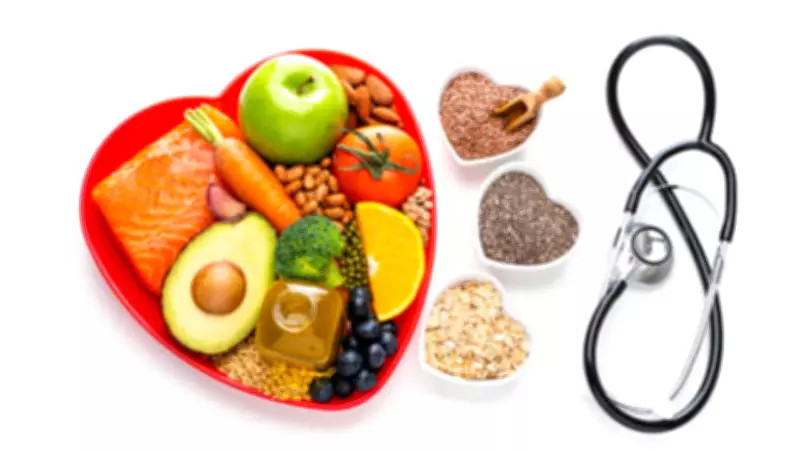
Dr. Gaurav Minocha, Senior Director of Cardiac Sciences at Max Super Speciality Hospital in Vaishali, provided detailed guidance to TOI Health. He stated, "Everyday food choices can help protect your heart, and a healthy diet is made up of more than just nutritious foods. The most important part of a healthy diet is to eat plenty of fresh fruits and vegetables because they are high in antioxidants, fibre, and nutrients that decrease inflammation and aid blood circulation. Whole grains, such as oats, brown rice, and millets, are also excellent for lowering LDL (bad) cholesterol. Healthy fats from nuts and seeds, olive oil, and fatty fish like salmon contain omega-3 fatty acids, which reduce inflammation and help balance LDL cholesterol levels for optimal heart health."
Dr. Minocha added, "Healthy eating behaviours are just as important to heart health as what you eat. For instance, limiting salt intake helps control blood pressure, which is particularly relevant in Indian diets due to high sodium consumption. Monitoring calorie intake aids in maintaining a healthy weight and BMI. Avoiding processed foods and added sugars prevents weight gain and insulin resistance. Additionally, eating at regular intervals, controlling portion sizes, and practicing mindful eating support healthy digestion. Building consistent, healthy habits alongside an active lifestyle strengthens the heart and enhances overall wellness."

This research adds to a growing body of evidence warning against heavy reliance on ultraprocessed foods. By making informed dietary choices and adopting healthier habits, individuals can significantly reduce their risk of heart disease and improve long-term health outcomes.